Why Good Intentions Aren’t Always EnoughWhen families come together to stage an intervention, they do it from a place of love, fear, and hope. They want to save someone’s life. But even the deepest love can be clouded by panic, guilt, or misunderstanding and that’s where things often go wrong.In 2026, professionals across the field …


Why Good Intentions Aren’t Always Enough
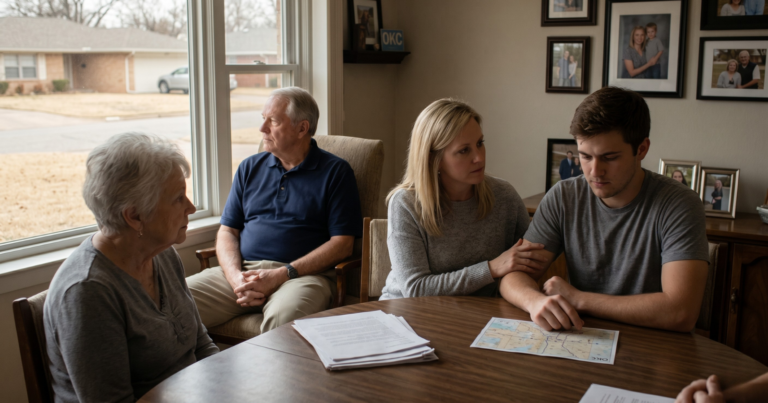
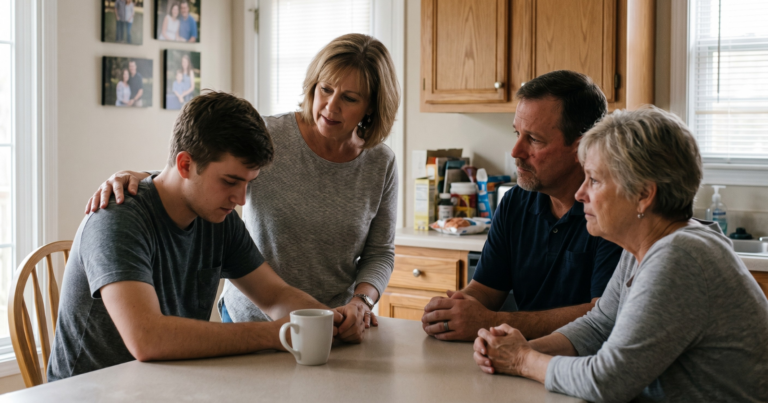
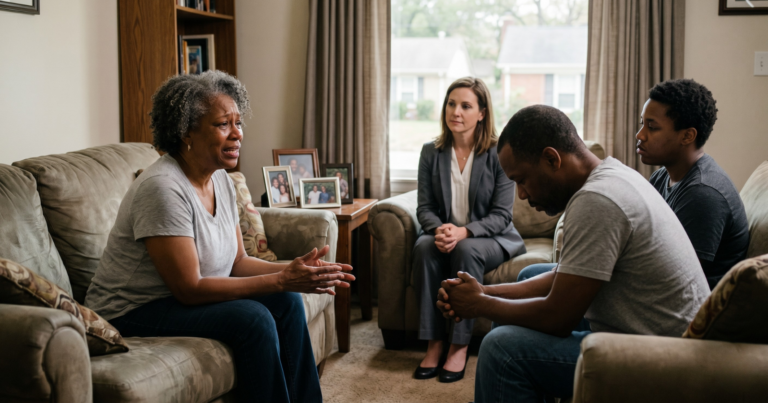
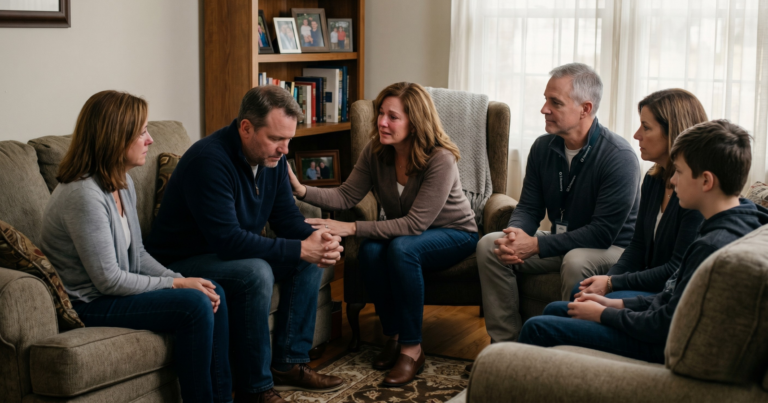
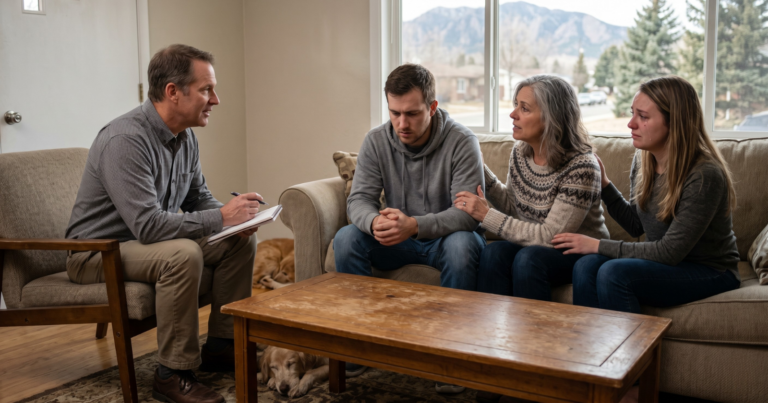
When families come together to stage an intervention, they do it from a place of love, fear, and hope. They want to save someone’s life. But even the deepest love can be clouded by panic, guilt, or misunderstanding and that’s where things often go wrong.
In 2026, professionals across the field of addiction recovery agree on one truth: most interventions don’t fail because families don’t care they fail because families aren’t coached.
Thanks to trauma-informed models, neuroscience, and a more compassionate understanding of addiction, families today have better tools than ever before. But first, they have to unlearn the old myths.
This guide explores the most common intervention mistakes families still make and how modern, evidence-based practices are fixing them in 2026.
Mistake #1: Treating the Intervention Like a Confrontation
For decades, interventions were portrayed as emotional ambushes the “surprise confrontation” model. Families believed they had to catch their loved one off-guard, deliver ultimatums, and push them into treatment.
The problem? That approach triggers shame and defensiveness, not readiness.
“When someone already feels cornered by addiction, surprising them with a group confrontation can feel like betrayal,” says a clinical interventionist based in Austin. “The new model is about collaboration, not coercion.”
2026 Fix: Compassion-Focused Preparation
Modern interventionists now spend weeks preparing families before the meeting even happens.
They teach emotional regulation, communication skills, and how to approach the loved one with empathy rather than judgment.
Families practice language like:
“We love you, and we’re worried. We want to help you get support that works for you.”
Instead of:
“You need to stop ruining your life.”
It’s not about forcing change it’s about inviting it.
Mistake #2: Focusing Only on the Person Using
It’s natural to zero in on the person struggling after all, they’re the one in crisis. But addiction is a family disease, and that means everyone’s patterns are part of the dynamic.
When families skip their own healing work, they risk recreating the same environment that allowed addiction to thrive.
“If the system doesn’t change, the individual’s recovery is at risk,” explains a family systems therapist. “Families must learn their role not in blame, but in balance.”
2026 Fix: Whole-Family Healing
The most effective interventions in 2026 integrate family coaching and therapy from the start.
This includes:
Weekly family education sessions (often virtual)
CRAFT-based boundary training
Post-intervention support plans for relatives
By shifting from “fix them” to “heal together,” families become allies in recovery rather than emotional triggers.
Mistake #3: Using Shame or Fear as Motivation
Fear once seemed like a powerful motivator “If you don’t go to rehab, you’ll lose everything.”
But research now shows that fear-based approaches backfire, especially for individuals with trauma or anxiety disorders (common among those with substance use issues).
Shame and threats often deepen resistance.
2026 Fix: Motivational Language and Values-Based Framing
Professionals now coach families to use motivational interviewing techniques conversations that build connection and highlight personal values rather than punishment.
🗣 Instead of: “You’re destroying our family.”
💬 Say: “You’ve always cared about being there for your kids. Getting help could help you rebuild that connection.”
By appealing to what matters most to the person not what the family demands resistance softens, and intrinsic motivation takes root.
Mistake #4: Not Having a Treatment Plan Ready
A successful intervention doesn’t end when someone says “yes.” It begins there.
But many families are unprepared for what comes next they haven’t vetted programs, arranged logistics, or coordinated funding.
That delay can undo progress fast. The window of willingness is often short sometimes just 24 hours.
2026 Fix: Seamless Transitions and Integrated Care
Today’s best intervention practices include pre-arranged treatment pathways and real-time coordination.
Professionals often partner directly with detox or residential programs to ensure immediate admission.
In some 2026 models, digital intake platforms allow clients to complete admission steps remotely even during the intervention.
This level of coordination dramatically reduces treatment drop-off rates and builds immediate momentum toward healing.
Mistake #5: Trying to Go It Alone
Many families attempt interventions without professional support often due to cost concerns or a belief that they can “just talk it out.”
But without guidance, emotional volatility can derail even the most sincere effort.
Old wounds resurface. Arguments spiral. The conversation turns into chaos instead of clarity.
2026 Fix: Professional-Guided Family Coaching
In 2026, the role of the interventionist has evolved far beyond “facilitator.”
Professionals now act as family coaches, guiding emotional regulation, communication, and crisis response sometimes for months after the event.
Many also work in virtual hybrid models, making expertise more accessible and affordable for families across the country.
“Families don’t need to do this alone,” says a certified interventionist. “When professionals join early, the success rate more than doubles.”
Mistake #6: Confusing Boundaries with Punishment
Setting boundaries is essential but many families misunderstand what healthy boundaries look like.
Threatening to cut someone off or throw them out can feel like control or rejection, not love.
2026 Fix: Compassionate Boundaries
In trauma-informed practice, boundaries are acts of protection, not punishment.
They sound like:
“I can’t give you money right now, but I’ll drive you to an appointment anytime.”
“We can’t let you live here while you’re using, but we’ll help you find a safe place to stay.”
Boundaries communicate love and limits. The difference is tone, timing, and consistency.
Mistake #7: Expecting Instant Change
One of the hardest truths for families to accept is that saying “yes” to treatment doesn’t equal instant recovery.
Addiction is a chronic, relapsing condition and even with intervention, setbacks happen.
When families expect a linear path, they often lose hope too soon.
2026 Fix: Long-Term Family Engagement
Modern interventions now include 12-month engagement frameworks.
Families stay involved through ongoing coaching, group sessions, and relapse-prevention education.
This sustained involvement not only helps the person in recovery but also helps families manage their own expectations and emotions.
Mistake #8: Forgetting Self-Care
Burnout, guilt, resentment they’re common among families dealing with addiction.
But if you’re running on empty, you can’t offer calm, grounded support.
2026 Fix: Parallel Healing for Families
New intervention programs emphasize family self-care as clinical necessity, not luxury.
This may include:
Mindfulness or stress-reduction workshops
Support groups for parents and spouses
Access to therapists specializing in secondary trauma
The message is clear: families heal with their loved ones, not after them.
Mistake #9: Ignoring Cultural and Individual Context
Every family system has its own cultural, spiritual, and emotional language. What motivates one person may alienate another.
A one-size-fits-all script can miss the mark entirely.
2026 Fix: Personalized and Culturally Responsive Interventions
Professionals now integrate cultural awareness and individualized care into every stage.
They ask questions like:
“What does healing mean in your family’s context?”
“How can we align treatment with your loved one’s beliefs or identity?”
By honoring individuality, interventions feel authentic and acceptance rates rise.
Mistake #10: Giving Up Too Soon
Finally, the most devastating mistake of all: assuming that one “failed” intervention means all hope is lost.
In truth, every conversation even those that don’t end in treatment builds readiness. It plants a seed.
2026 Fix: Redefining Success
In 2026, success isn’t just defined by immediate treatment admission. It’s measured by:
Increased family alignment
Improved communication
Reduced crisis behavior
Gradual readiness for help
Every step forward counts. Every effort matters.
Looking Ahead: How Families Are Changing the Future of Intervention
As the science of addiction evolves, so does the role of the family.
What once was seen as a last resort has become a continuum of healing a partnership between professionals, relatives, and the person in crisis.
The biggest lesson of all?
Interventions aren’t about control they’re about connection.
When families learn to replace fear with understanding, and panic with patience, recovery stops being a demand and starts being an invitation.
Need Immediate Support?
Call us or send a message through our website. A better future can start with one courageous step.
Contact us or call (214) 927-2154 for a confidential consultation with Matt and Hannah Gibson’s team.
Areas we serve
Our Major Metro Areas
Book a Consultation
It’s easy and free!