QUICK SUMMARY 621 people died from drug overdoses in San Francisco in 2025 — down 23% from the 2023 peak, but the drug supply is now more dangerous than ever. Here's what families need to know. •Fentanyl has claimed 3,000+ lives in San Francisco over the past decade •Medetomidine and xylazine are now lacing the …


QUICK SUMMARY
621 people died from drug overdoses in San Francisco in 2025 — down 23% from the 2023 peak, but the drug supply is now more dangerous than ever. Here’s what families need to know.
- •Fentanyl has claimed 3,000+ lives in San Francisco over the past decade
- •Medetomidine and xylazine are now lacing the supply — naloxone alone is no longer enough
- •Black men are the most disproportionately affected demographic in the city
- •Fentanyl found in cocaine, meth, and counterfeit pills — no street drug can be assumed safe
- •SF shifted to “recovery-first” policy in May 2025 — 600 new treatment beds opened under Mayor Lurie
- •75% of people who experience addiction eventually recover with the right support
- •Early family intervention — before a crisis — dramatically increases the chance of recovery
There’s a number that San Francisco’s Public Health Department put in front of reporters at a January 2026 press conference: 621. That’s how many people died from drug overdoses in the city in 2025. Officials tried to frame it as progress, and in a narrow statistical sense, it is. The annual overdose death rate has declined 23% from its 2023 peak of 810, the highest ever recorded. But for the families who lost someone, progress feels like an empty word. Six hundred and twenty-one people. Enough, as the SF Standard put it, to hold hands around the entire perimeter of City Hall.
San Francisco has been fighting the fentanyl crisis for a full decade now. And while the city is no longer drowning under the same relentless tide it faced in 2023, it is far from safe harbor. If anything, the situation has grown more complicated and in some ways more dangerous than ever before. For families watching a loved one struggle somewhere in this city, the weight of that reality is felt every single day.
How We Got Here
Fentanyl didn’t arrive in San Francisco overnight. It crept in slowly throughout the mid-2010s, quietly replacing heroin in the street drug supply. By the time city officials fully understood what they were dealing with, it had already entrenched itself as the dominant killer on the streets. By the end of 2025, ten years after the drug’s emergence in the city, fentanyl had claimed more than 3,000 lives in San Francisco.
What made fentanyl so catastrophic wasn’t just its potency. It was its invisibility. Someone could think they were buying one drug and unknowingly end up with fentanyl instead. There was no warning, no way to know. And by the time a person collapsed, it was often already too late. In 2023, overdoses in San Francisco occurred at more than double the national average per 100,000 residents, a grim distinction that brought national headlines, congressional scrutiny, and a collective reckoning about what the city had allowed to happen.
For families in this situation, early and structured support makes an enormous difference. Professional intervention services exist precisely to help loved ones navigate these moments before they become emergencies, and the earlier a family acts, the more options they have. Families in the Bay Area can connect with a professional interventionist in California who understands the local landscape and the particular pressures of the San Francisco drug supply.
A New, More Dangerous Threat
Just as the city began seeing modest declines in overdose deaths, a disturbing new trend emerged on the streets. Dealers began cutting fentanyl with powerful veterinary sedatives, first xylazine, known as “tranq,” and increasingly a newer and even more dangerous substance called medetomidine. Dealers cut their supply to stretch it further while keeping users deeply and dangerously sedated.
The consequences are chilling. Naloxone, the overdose-reversing medication that has saved thousands of lives, does not reverse the effects of these veterinary sedatives, and withdrawal from them can be severe and potentially life-threatening. This means the life-saving tool that first responders, outreach workers, and family members have been carrying in their pockets for years is no longer sufficient on its own.
San Francisco Supervisor Matt Dorsey sounded the alarm publicly in 2025, warning that in Philadelphia, hundreds of people were hospitalized in just three to four days after medetomidine was found lacing the local fentanyl supply. San Francisco recorded multiple deaths involving medetomidine in 2025, in addition to deaths involving xylazine and other adulterants including bromazolam and phenazolam. The drug supply keeps evolving. The crisis keeps shifting. And the people on the front lines keep scrambling to catch up.
Who Is Suffering Most
It would be easy to picture the average fentanyl victim as someone who has been living on the streets for years, far removed from ordinary life. But that’s not always who is dying. The crisis cuts across lines that most people don’t expect.
Public Health Director Daniel Tsai spoke candidly about this at a January 2026 press conference, expressing deep concern about the disproportionate toll the crisis is taking on older Black men in the city, calling the disparity “very, very, very unacceptable.” The Black and African American community in San Francisco has been the most disproportionately affected by the overdose crisis compared to every other racial or ethnic group in the city. Structural barriers, decades of disinvestment in certain neighborhoods, and reduced access to quality healthcare have all contributed to this gap. Addressing the crisis without addressing these inequities will never be enough.
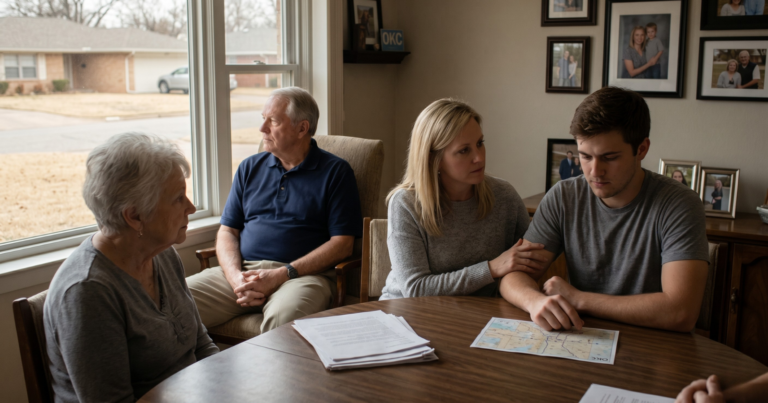
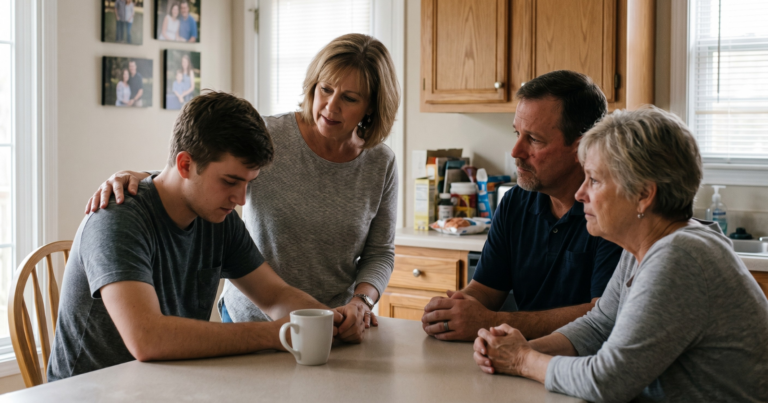
Then there are the families. The parents who get a phone call they were never supposed to receive. The children growing up without a mother or a father. The siblings who spend years in a desperate loop of hope, heartbreak, and grief, never fully understanding why their loved one couldn’t just stop. This is exactly the kind of pain that family consulting is designed to help with, giving families a structured, compassionate way to show up for their loved one without losing themselves in the process.
The Policy Battleground
San Francisco has never had a shortage of passionate people trying to solve this problem. What it has had is a decade of bitter disagreement over how.
For years, the city leaned heavily on a harm reduction model, distributing clean needles, smoking supplies, and naloxone while prioritizing keeping people alive over demanding they get sober. Advocates of this approach argue that you can’t treat someone who is dead. But the visible suffering on city streets eventually shifted public sentiment.
In May 2025, the Board of Supervisors passed an ordinance making “recovery-first” the city’s official drug policy, while Mayor Lurie instituted a ban on providing clean paraphernalia in public. These moves demoralized many harm reduction advocates, some of whom left the city entirely. Lurie’s administration also opened 600 new treatment-focused beds and launched a crisis stabilization center, with plans to open a RESET Center in SoMa as an alternative to jail or hospitalization for people arrested while under the influence.
The debate between keeping people alive first versus getting people sober first has real consequences for real people. A March 2025 study published in JAMA Network Open examined the relationship between law enforcement drug seizures and overdose deaths in San Francisco, adding to a growing body of evidence suggesting enforcement alone cannot solve what is fundamentally a public health emergency. The people paying the price for getting it wrong are always the most vulnerable.
The Real-Life Toll Nobody Talks About
Behind every statistic is a story that doesn’t make the news. There are the children placed in foster care when a parent can no longer function. The small business owners in SoMa and the Tenderloin who watched customers stop coming as their neighborhoods became defined by open-air drug use. The emergency room nurses and social workers who have seen colleagues burn out and leave the field altogether.
And there is the addicted person themselves, who often knows, somewhere beneath the fog of the drug, that their life is falling apart, but cannot find a way out that doesn’t feel impossible. During a single 24-hour span in August 2023, nine people died from drug overdoses in San Francisco, eight collected from apartments across the city, one found on the street directly across from City Hall. These are not abstractions. They are neighbors, family members, coworkers, and friends.
The financial toll is equally devastating. Overdose deaths don’t just end lives. They end careers, dissolve household savings, and send families into a grief spiral that can stretch for decades. For families in the thick of it, recovery coaching can offer much-needed structure and accountability, not just for the person struggling, but for everyone around them who is trying to hold things together.
What Families Should Watch For
If you have a loved one who uses drugs, or you’re worried someone might be, there are a few urgent things to understand right now.
No street drug can be assumed to be what it claims. Fentanyl has been found in pills pressed to look like legitimate prescriptions, in powders sold as cocaine, and in substances sold as methamphetamine. The risk is not limited to people who seek out opioids. Families dealing with what appears to be cocaine use or meth use need to understand that fentanyl contamination now touches those supplies too.
The rise of medetomidine and xylazine in the drug supply means that carrying naloxone, while still critically important, is no longer a complete safety net. Overdose reversals have taken on a new and more complicated character, with first responders observing profoundly low heart rates and deep sedation that doesn’t respond the way a typical opioid overdose would. If someone collapses and naloxone isn’t working as expected, calling 911 immediately and staying on the line is essential.
Early intervention matters more than most families realize. If you are seeing signs of escalating use, withdrawal symptoms, or someone spending time in high-risk areas, having a difficult conversation, even an imperfect one, is better than silence. Shame keeps families quiet for far too long. A professional intervention in San Francisco can help structure that conversation in a way that is compassionate, evidence-based, and far more likely to result in your loved one agreeing to get help.
Signs the City Is Trying to Change
There are genuine reasons for cautious hope. San Francisco’s Department of Public Health has unveiled a multi-pronged strategy that includes increasing available treatment beds, streamlining connections to care when people are ready, expanding resources to help them complete treatment, and moving people off the streets and into supportive housing where they can continue receiving services.
The city’s on-demand treatment program, which allows people in the Tenderloin to connect with a doctor by phone, has shown real promise. The pickup rate for buprenorphine through this program was roughly double the national average, with about 40% of people who sought treatment actually picking up their prescription.
And the numbers, while still heartbreaking, do show movement. In October and December 2025, San Francisco logged its lowest monthly overdose death totals since 2019, a signal that something in the system is beginning to work. For families who need help bridging the gap between wanting treatment and actually getting there, sober transport in California can provide the safe, supported transfer that makes the difference between a commitment that sticks and one that falls apart before it ever starts.
A City That Cannot Afford to Look Away
Six hundred and twenty-one people died in a single year in a city of fewer than 900,000. With medetomidine and other adulterants making the drug supply more unpredictable than ever, the margin for complacency is zero.
The fentanyl crisis didn’t happen because San Francisco failed to care. It happened because an extraordinarily dangerous drug arrived faster than any city was prepared to handle, and because addiction, real and complex and brain-altering, does not yield to simple solutions or good intentions alone.
According to the CDC and the National Institute on Drug Abuse, 75% of people who experience addiction eventually recover. Recovery isn’t a long shot. It’s what happens for the majority of people who get the right support at the right time.
If you or someone you love is struggling, reaching out is the single most important step you can take. The sooner a family acts, the more doors remain open. Help is available, and it starts here.
Book a Consultation
It’s easy and free!