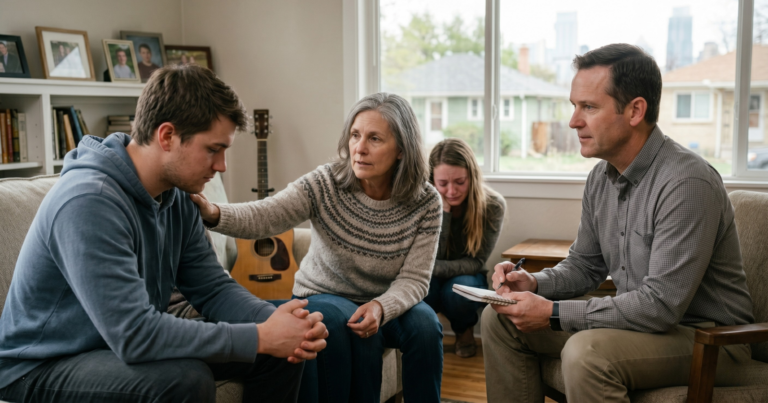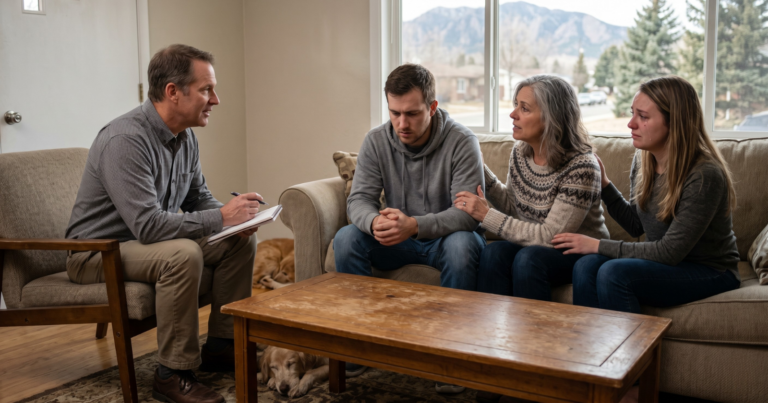
When a family has “staged an intervention”, they have taken a bold step toward change. But the intervention meeting itself is only the beginning. In 2026, the landscape of what happens after the intervention is evolving in terms of treatment models, after-care and family roles. Knowing the next steps and the new treatment options is …


When a family has “staged an intervention”, they have taken a bold step toward change. But the intervention meeting itself is only the beginning. In 2026, the landscape of what happens after the intervention is evolving in terms of treatment models, after-care and family roles. Knowing the next steps and the new treatment options is critical for families seeking sustainable recovery.
The well-regulated medical site Mayo Clinic describes an intervention as “a carefully planned process” to motivate someone toward help and notes the follow-up (“what happens after an intervention”) is key.
This guide walks you through what happens after an intervention in 2026: from immediate next steps, to evolving treatment options, to family roles and long-term recovery planning.
Why the Post-Intervention Phase is So Important
An intervention can open the door but unless the follow-through is strong, relapse or treatment dropout often occur. According to the resource from Family Centered Services, “This guide is for families who ask … ‘Now what?’” after the intervention.
In 2026, with more options and innovations in care (telehealth, hybrid models, integrated treatment of co-occurring disorders, trauma-informed systems), the “after” phase deserves as much planning as the intervention itself. Failing to plan the post-intervention path risks losing momentum, harming relationships, or creating enabling patterns.
Immediate Post-Intervention Steps
What happens right after the meeting is critical. The window of time after acceptance or refusal is often decisive.
1. Acceptance vs. Refusal Decision
After the intervention, two major paths emerge:
The loved one accepts help right away.
They refuse the offer of treatment.
According to AddictionHelp, if they accept, treatment should begin as soon as possible (often within 24-48 hours). If they refuse, the agreed consequences must begin.
If the person accepts:
Arrange immediate transition into treatment (detox if necessary, then inpatient/outpatient) with minimal delay.
The intervention team and professional facilitator should coordinate logistics (transport, admission, insurance, etc.).
Family should prepare for supporting the transition: changes in routine, environment, communication.
If the person refuses:
The family must enforce the boundaries or consequences that were discussed during the intervention (e.g., no more financial support, living arrangement changes).
The family must also prepare for the possibility that the loved one returns home, possibly in crisis—have a safety plan.
Recall that the intervention is not a failure simply because the person declined — the process remains part of a larger journey.
2. Placement into Treatment
Once the decision to accept help is made, the next step is selecting and entering the proper treatment setting.
Detoxification (if needed)
For substance dependencies with physical withdrawal, detox is critical. This often happens in a medically supervised environment to safely manage withdrawal symptoms.
Residential/Inpatient vs Outpatient
Residential / inpatient treatment: 24-hour care, structured environment, especially for high-risk individuals (heavy substance use, co-occurring mental health disorders).
Intensive outpatient (IOP) / Partial Hospitalization Programs (PHP): For those who need structured care but can return home or have stable living environments.
Rapid Pathways & Hybrid Models (2026 update)
In 2026, treatment options increasingly include hybrid models: e.g., initial residential stay followed by virtual outpatient check-ins, or “step‐down” programs where patients move from inpatient to outpatient to home more fluidly. These newer models help enhance accessibility, reduce cost and support long-term engagement.
Evolving Treatment Models After Intervention
What happens after traditional models is evolving. The following are newer or increasingly common options in 2026.
Trauma-Informed Integrated Care
Recognising that many people who need intervention also have co-occurring trauma or mental-health issues, modern treatment integrates trauma care with addiction care addressing both simultaneously.
Virtual/Telehealth Continuums
Post-intervention treatment now often uses telehealth for follow-up, family sessions, virtual group therapy, and monitoring. This reduces geographical barriers and supports continuity of care.
Medication-Assisted Treatment (MAT) + Beyond
For certain addictions (e.g., opioids, alcohol), MAT (such as naltrexone, buprenorphine) is standard. After an intervention, the plan may include MAT plus behavioral therapy and peer support.
Peer Recovery Specialists & Peer Support Technology
After the initial treatment entry, peer experts people with lived experience play a bigger role in the “after” phase. Many programs now provide apps, digital check-ins, wearable monitoring.
Family Systems Recovery
More programs now treat the family unit, not just the individual. After an intervention, family therapy, education, and support groups become part of the after-care. Resources from Family Centered Services emphasise this shift.
Step-Down / Continuum of Care
Rather than a single “rehab then done” model, the post-intervention phase uses a continuum of care: inpatient → outpatient → sober living → alumni/after-care for years. This helps reduce relapse risk.
The Family’s Role After the Intervention
What happens after an intervention isn’t solely the responsibility of the person entering treatment family members and loved ones have critical work to do.
Continued Family Engagement
Active involvement increases long-term success. Families should engage in:
Family therapy or education sessions.
Support groups for loved ones (e.g., Al-Anon).
Understanding enabling behaviours, setting boundaries, and creating a healthy environment.
Establishing Boundaries & Safe Environments
After the intervention, a common trap is falling back into old enabling patterns. The family must stay clear: boundaries were agreed during the intervention. Cut off the harmful patterns. The intervention specialist site notes that families often revert unintentionally.
Supporting Without Controlling
It’s key to shift from managing to supporting: offer help, but don’t take over responsibility. Let the person entering recovery lead their treatment (with professional support). The family supports the structure.
Self-Care for Families
Families often experience burnout, trauma, guilt, and secondary effects of addiction. What happens after an intervention includes families healing as well. They should engage in personal therapy, peer-support groups, self-care routines. This helps them stay healthy and supportive over the long term.
Post-Intervention Milestones & Monitoring Progress
What happens after an intervention unfolds in phases. Understanding these helps families know what to expect and how to respond.
Early Recovery Phase (0-3 months)
Transition into treatment: entering program, possibly detox, intensive therapy.
Family role: ensuring admission, being present, starting family therapy, adjusting home environment.
Risks: Drop-out, ambivalence, relapse. The sooner treatment begins after acceptance, the better.
Mid-Recovery Phase (3-12 months)
Treatment progression: moving to less intensive settings, more self-management.
Peer support, therapy, accountability plans become more prominent.
Family role: maintaining boundaries, supporting autonomy, monitoring progress.
Use of technology: apps or check-ins may support this phase.
Long-Term Maintenance Phase (1 year +)
After-care continues indefinitely for many: regular check-ins, alumni programs, relapse prevention.
Life rebuilding: employment, relationships, hobbies, wellness practices.
Family role: focus on healthy family system, not just the person’s recovery.
Recognise that relapse may occur they’re not failure but data points for adjusting the plan.
What Happens If Things Don’t Go According to Plan
Despite best efforts, the post-intervention path may hit bumps. Knowing what happens and how to respond is crucial.
Treatment Refusal or Drop-Out
If the person refuses treatment after the intervention, the family must enforce the agreed boundaries and keep support available. The intervention resource states:
“If the individual refuses help … the members must carry out the consequences they outlined.”
Relapse
Relapse does not mean failure. It means the plan needs adjustment. What happens next:
Reassessment of treatment level (maybe need higher level of care).
Increase family support, possibly include different therapies (trauma, dual-diagnosis).
Re-engagement of peer support tools and after-care network.
Family System Disruption
After an intervention, the family system itself may be in upheaval. Family Centered Services warns:
“The addiction shifted the whole family … now the family must construct a healthy way of living.”
What happens: families may need their own therapy, boundary work, restructuring of dynamics.
New Considerations for 2026
Here are special topics to consider in a 2026 context because what happens after an intervention today includes new tools and expectations.
Digital and Remote After-Care
Technology now supports what happens after the intervention:
Virtual family therapy sessions.
Mobile apps for relapse tracking or peer support.
Telehealth check-ins for outpatient programs.
Personalized Medicine & Data-Driven Care
Treatment options after an intervention increasingly leverage data: risk assessments, readiness screenings, personalized care plans. What happens now is more tailored and dynamic.
Integrated Behavioral & Physical Health
What happens after an intervention often includes addressing physical health (like metabolic issues, sleep problems) and behavioral health simultaneously. Integrated clinics are becoming standard.
Focus on Meaning‐Making & Life Purpose
Recovery isn’t just sobriety anymore. What happens after includes rebuilding life purpose: vocational training, community integration, identity work. This shift helps long-term success.
Tips for Families: What You Can Do After the Intervention
Here’s a practical checklist of things families can do to support the post-intervention phase.
Secure immediate treatment admission once the decision is made.
Ensure your loved one has a structured environment, especially in initial months.
Attend family therapy or support groups to work on your own healing and system.
Create and maintain healthy boundaries and don’t revert to enabling.
Use technology (apps, remote sessions) to maintain connection and monitor progress.
Plan for setbacks have a relapse prevention plan and know treatment re-entry options.
Celebrate progress small wins matter. One week, one month, one day at a time.
Maintain self-care your wellness supports the wellness of the whole family.
Conclusion
An intervention is a powerful start but what happens after an intervention defines the journey ahead. In 2026, treatment options are broader, care is more integrated, and technology supports continuity. For families, understanding the next steps from admission to after-care, from hybrid models to family systems work is essential. Recovery doesn’t end when the meeting ends. It begins.
Whether you’re helping someone step into treatment or rebuilding a healthy family system, grounded planning, joined commitment, and consistent action are your best tools. What happens after the intervention will determine the real story of recovery.
Need Immediate Support?
Call us or send a message through our website. A better future can start with one courageous step.
Contact us or call (214) 927-2154 for a confidential consultation with Matt and Hannah Gibson’s team.
Areas we serve
Our Major Metro Areas
Book a Consultation
It’s easy and free!