In 2025, the fight against substance use disorders (SUDs) has gotten a rare but powerful boost. According to the U.S. Centers for Disease Control and Prevention, drug overdose deaths fell by about 27% in 2024, reaching the lowest point since 2019. The drop has been driven by several factors, including wider access to naloxone, shifts …


In 2025, the fight against substance use disorders (SUDs) has gotten a rare but powerful boost. According to the U.S. Centers for Disease Control and Prevention, drug overdose deaths fell by about 27% in 2024, reaching the lowest point since 2019. The drop has been driven by several factors, including wider access to naloxone, shifts in how people use drugs, and more expansive addiction treatment programs.
Another recent study published in the Harm Reduction Journal examines current U.S. policy and state/federal interventions designed to reduce harm from substance use. It argues that expanding access to medications for opioid use disorder (MOUD), easing restrictions around syringe services and overdose prevention centers, and removing regulatory or legal barriers are among the most effective strategies.
From these data, it’s clear: interventions whether public health, clinical, or family-based aren’t just moral imperatives. They’re measurable levers. They save lives.
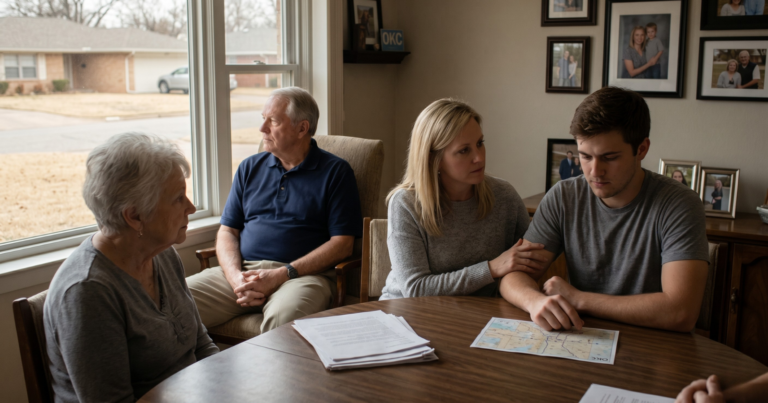
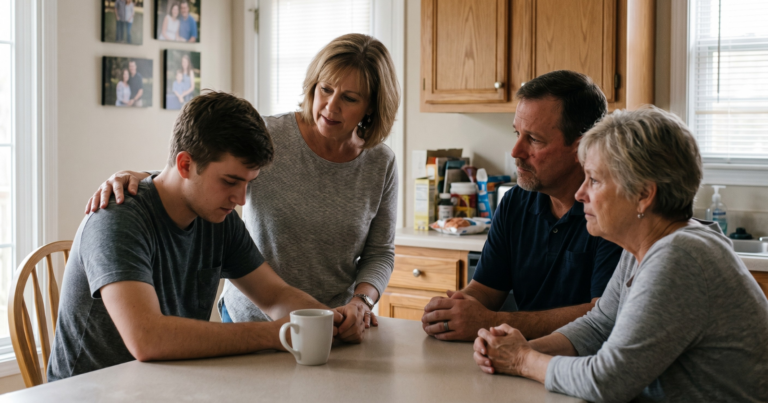
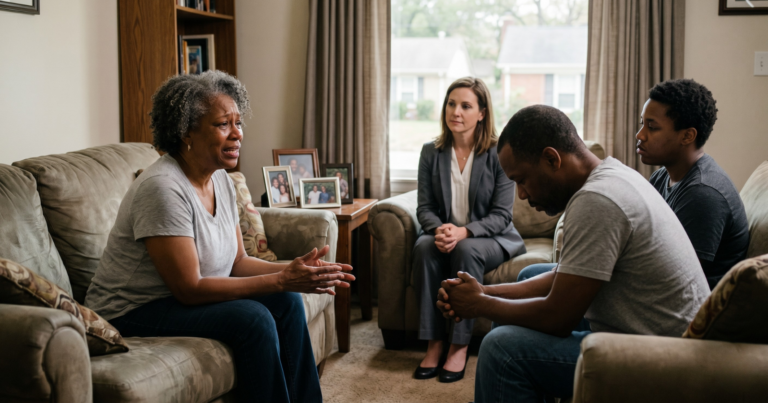
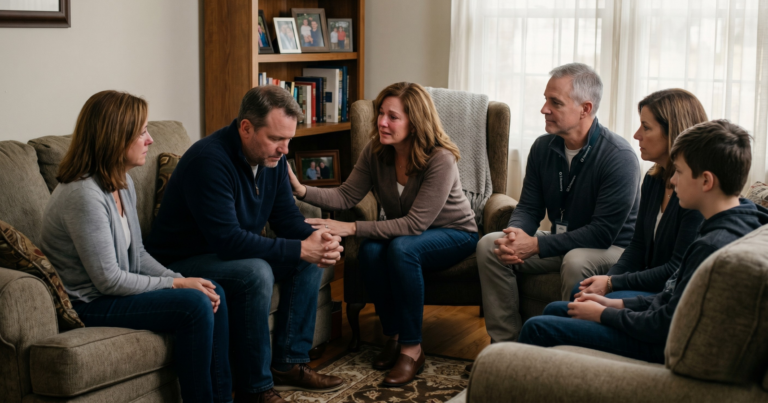
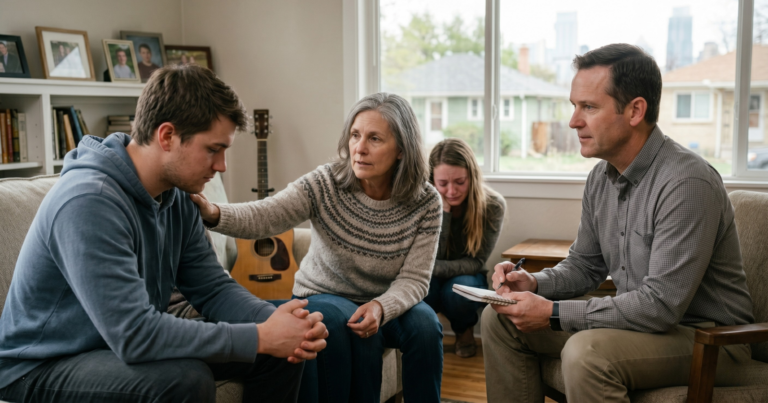
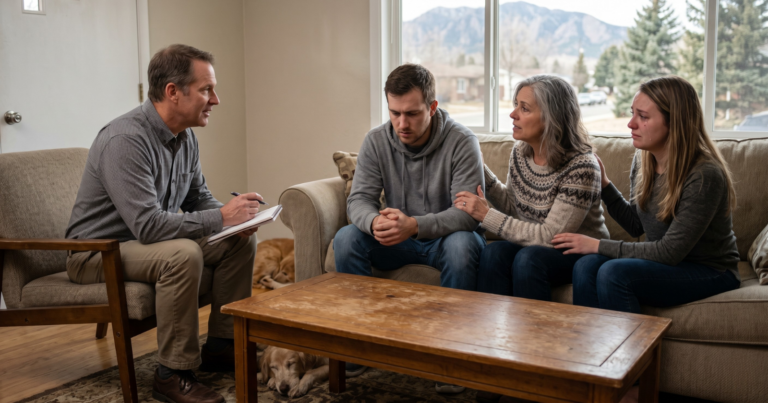
What Is a Drug Intervention?
These statistics aren’t abstract they reflect real families in crisis. One in four kids growing up with a parent battling addiction means millions are shouldering emotional instability, uncertainty, and trauma. Yet the UT Health study also reminds us: when families are given consistent, compassionate support and the right tools recovery doesn’t just become possible, it becomes achievable.
Introducing G3 Recovery Interventions and Consulting: Turning Struggle Into Strength
We know how hard this is because we’ve lived it. Founded by Matt Gibson, CAI-I, and Hannah Gibson, people in long-term recovery themselves, we built this organization from the ground up.
Hannah’s journey included alcoholism beginning in her late teens and early twenties; an intervention in 2013 marked a turning point.
Matt faced severe addiction, homelessness, and loss; he found recovery in 2017. These personal experiences aren’t just biography they inform everything we do.
Our mission: to bring families back together by helping transform pain into purpose and helping individuals move from active addiction to sustained recovery. Compassion, real-life experience, and family healing are at the core.
What We Offer & What Makes Us Different
Here’s what sets us apart:
| Service | What It Does | Why It Matters / Impact |
|---|---|---|
| Interventions | We facilitate structured intervention sessions. Trained professionals help loved ones speak their truth, offer treatment options, set boundaries, and guide toward compassionate accountability. | A successful intervention often is the difference between someone staying in active addiction or stepping into treatment. We’ve helped many make that leap—something often delayed or avoided without outside support. |
| Family Consulting | Healing isn’t just for the person struggling; the family is deeply affected. We work with families to rebuild trust, improve communication, set healthy boundaries, and heal relational wounds. | When families are supported, relapse risk tends to drop. Family stress can fuel addiction, so healing in the family system supports long-term recovery. |
| Sober Transports | Getting to treatment can be a logistical and emotional barrier. We offer safe, respectful transport to treatment facilities. | Sometimes, the practical steps are the hardest: “getting there” physically, emotionally. Removing barriers improves the odds someone will follow through. |
| Recovery Coaching | After inpatient or formal treatment, recovery is ongoing. Coaches help with accountability, life skills, relapse prevention, re-entry into community, work, school, etc. | Ongoing support is one of the hallmarks of successful long-term recovery. Many relapse cases happen when someone is released into the wild without structure or connection. |
We measure success not just in numbers but in restored relationships, sustained sobriety, and renewed hope. Because we’ve been there, we understand how discouraging it can feel when promises don’t match reality. That empathy shapes our approach.
How Interventions Fit Into the Broader Field And Why We’re Needed
Returning to what the recent studies tell us: harm reduction and treatment must be accessible, non-judgmental, and well-coordinated. Public health gains (like the 27% reduction in overdose deaths) show us what’s possible when interventions at the system level work. But many people struggling with addiction are not reached by these large policy measures. That’s where organizations like ours fill in vital gaps.
A family-led intervention isn’t the same as public policy, but:
It intervenes early (often before overdose or serious health damage).
It’s personal, tailored, relationship-based.
It builds bridges to treatment, to recovery, to family healing.
We believe that for every person touched at a policy level, there are many more who need someone close, someone who cares, someone skilled, to help make the turning point real.
A Call to Action: When You’ve Read This, What Can You Do
If you or someone you love is struggling, you don’t have to wait. An intervention might feel scary. It brings up guilt, shame, fear. But it can also bring the best chance of change. At G3, we want to stand with you through that fear planning, supporting, creating realistic next steps.
If you’re reading this:
Educate yourself about what a good intervention involves.
Reach out to professionals, to organizations with lived experience.
Bring in the family. Healing isn’t solitary.
Know that recovery is possible and that each drop in overdose deaths shows we’re making progress when help is accessible.
Final Thought
The numbers tell us something hopeful: 2024 and 2025 have brought real change. Overdose deaths are down, harm reduction policies are being more widely adopted, and access to treatments is expanding. Yet for every statistic, there’s a human being for every number, a family waiting for hope. That’s where G3 Recovery Interventions and Consulting comes in.
We’re here because we believe no one has to walk through active addiction alone. We turn struggle into strength, despair into possibility and do so by bridging data and policy with human stories. If you feel stuck, reach out. Let’s walk this path together.
Need Immediate Support?
Call us or send a message through our website. A better future can start with one courageous step.
Contact us or call (214) 927-2154 for a confidential consultation with Matt and Hannah Gibson’s team.
Areas we serve
Our Major Metro Areas
Book a Consultation
It’s easy and free!