Key FindingsSafety planning is a brief, person-centered intervention used to reduce immediate risk in behavioral health crises and should be collaboratively developed with the individual at risk and their support network.Evidence from crisis care research shows structured safety planning can meaningfully reduce acute risk behaviors and support engagement with care a foundation that can be …


Key Findings
Safety planning is a brief, person-centered intervention used to reduce immediate risk in behavioral health crises and should be collaboratively developed with the individual at risk and their support network.
Evidence from crisis care research shows structured safety planning can meaningfully reduce acute risk behaviors and support engagement with care a foundation that can be adapted to high-risk substance use and overdose contexts with clinical judgment and tailored content. SAMHSA
What Is Safety Planning in High-Risk Interventions?
In the context of crisis intervention including when someone is at high risk of harm due to substance use, overdose risk, suicidal ideation, or co-occurring trauma safety planning isn’t simply a checklist. It’s an actively co-created roadmap the person at risk can follow during moments of acute danger, distress, or disorientation.
According to SAMHSA and national crisis care guidance, safety planning should be brief, easy to understand, personalized, and collaboratively developed between the provider and the individual (and often their trusted support persons) to reflect real-world coping strategies and pathways to help.
A safety plan typically includes:
Personalized warning signs or triggers
Internal coping strategies
Social support contacts
Emergency contacts and resources
Action steps for de-escalation
Means safety and environment risk reduction where appropriate
While originally validated in suicide prevention research, the framework is adaptable for other high-risk scenarios such as overdose risk, relapse triggers, or substance-related crisis moments.
Why Safety Planning Matters for Intervention Professionals
1. Bridges Risk and Support
People in high-risk moments (e.g., after an overdose, in early recovery, or amid escalating drug or alcohol use) are often overwhelmed and cognitively overloaded. Having a written, personalized plan can reduce the cognitive burden during crises, helping people rely on concrete strategies instead of impulsive reactions.
In broader behavioral health, safety planning has been advanced as a core crisis care component in national guidelines, emphasizing accessibility, timeliness, and personalization of support.
2. Facilitates Engagement With Care
When individuals see safety plans as tools they helped design rather than clinician prescriptions, engagement and follow-up tend to improve. This collaborative process builds trust, clarifies expectations, and integrates a person’s strengths and community supports into their care plan.
3. Supports Families and Networks
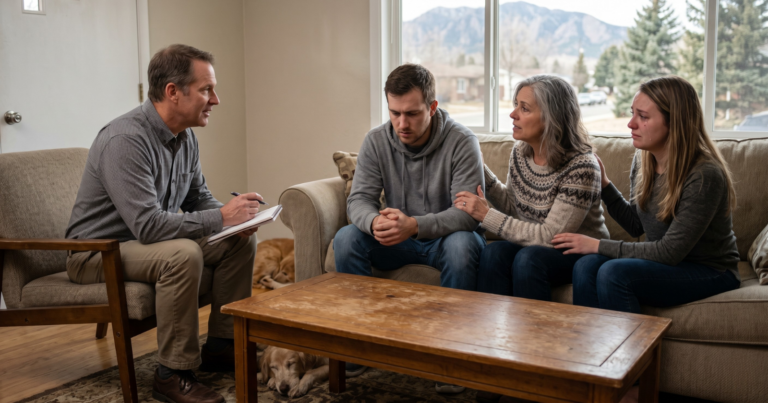
In drug and alcohol intervention work, family and close support systems play a critical role in safety planning. Including these trusted allies in developing and reviewing plans when appropriate and with consent can ensure that support is not only individual but relational.
Adapting Safety Planning for Overdose and Substance-Related Risk
There isn’t a one-size-fits-all template for substance-related risk, but intervention professionals can ground adaptations in evidence-based harm reduction and crisis care principles:
Hazard Awareness + Environment Strategies
Identify specific triggers (e.g., cues associated with past use)
Discuss safer choices during risk periods (e.g., not using alone, having naloxone nearby)
Clarify steps for preventing or responding to overdose
Federal overdose prevention strategies emphasize non-judgmental access to lifesaving tools like naloxone, education on drug supply risks, and linkage to follow-up care all of which can be integrated into a safety planning framework. HHS
Rapid Response & Support Contacts
Include 24/7 crisis resources (e.g., 988 Suicide & Crisis Lifeline)
List harm reduction services (e.g., local programs with naloxone and drug checking)
Clarify who will check-in at specific times (family, peer support, clinicians)
Self-Management and Coping
Strengths-based strategies for emotion regulation
Distraction and grounding techniques
Comfort plans for distress and craving management
This approach honors the person’s experience and adapts established safety planning for substance-related risk without stigmatizing language or fear-based framing.
Best Practices for Clinicians and Intervention Teams
1. Collaborate Don’t Dictate
Safety planning works best when individuals at risk contribute to every step including what strategies feel realistic and supportive. A collaborative approach also increases the plan’s usability in moments of distress. zerosuicide.edc.org
2. Make It Visible and Accessible
Ensure the person knows where their plan is (e.g., a physical copy, note in a phone, shared with a trusted support). Revisit it regularly, especially as circumstances change.
3. Pair With Other Supports
Safety planning should complement, not replace, other evidence-based interventions including linkage to treatment, harm reduction services, peer support, and ongoing therapeutic care.
4. Measure and Improve
As with any intervention strategy, teams should monitor outcomes e.g., engagement with follow-up care, use of coping strategies during crises, and feedback from individuals and families to refine safety planning protocols for future high-risk cases.
Safety planning is an adaptable, evidence-informed strategy that empowers individuals and their support systems to navigate acute risk moments more safely and intentionally. While originally validated for suicide prevention, its core principles collaboration, personalization, actionable steps, and integration of support networks make it highly relevant to drug and alcohol intervention professionals working in high-risk contexts.
By weaving safety planning into intervention protocols and embedding it within a broader continuum of care, professionals can help people feel prepared, supported, and connected to meaningful resources even in the most challenging moments.
Support When Safety Is a Concern
When substance use situations become high-risk, families don’t have to navigate safety planning alone. Working with experienced intervention professionals can help ensure that safety plans are realistic, compassionate, and grounded in evidence-based crisis response especially when emotions are high and decisions feel urgent.
At Professional Interventions, our team supports families through structured intervention planning, crisis-informed guidance, and coordinated next steps when safety is a concern. Services are designed to help reduce immediate risk while maintaining dignity, collaboration, and long-term care alignment.
If you’re unsure whether an intervention is appropriate right now or how to prioritize safety in a complex situation connecting with a qualified professional can help clarify options and reduce risk during critical moments.
Need Immediate Support?
Call us or send a message through our website. A better future can start with one courageous step.
Contact us or call (214) 927-2154 for a confidential consultation with Matt and Hannah Gibson’s team.
Book a Consultation
It’s easy and free!