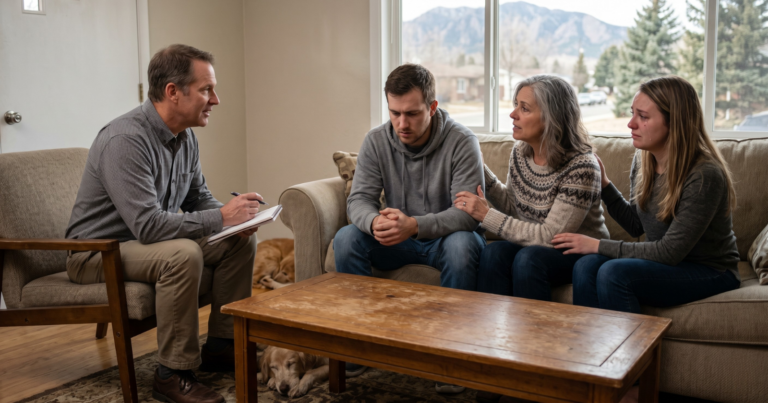
A Modern Approach to Family InterventionsIf someone you care about is struggling with addiction, mental health challenges, or compulsive behaviors, it’s normal to feel uncertain about how to help. An intervention offers a structured opportunity to express concern and encourage treatment not through confrontation, but through preparation, compassion, and professional support.In 2026, the concept of …


A Modern Approach to Family Interventions
If someone you care about is struggling with addiction, mental health challenges, or compulsive behaviors, it’s normal to feel uncertain about how to help. An intervention offers a structured opportunity to express concern and encourage treatment not through confrontation, but through preparation, compassion, and professional support.
In 2026, the concept of “how to do an intervention” looks very different than it did just a few years ago. Advances in mental health science, telehealth, and trauma-informed care have reshaped how families, clinicians, and communities approach this process.
What’s Changed Since 2020
Interventions today are far more collaborative, data-informed, and trauma-sensitive than traditional models. Key shifts include:
A better understanding of addiction: It’s now widely recognized as a brain-based, treatable condition rather than a moral or behavioral failure.
Trauma-informed communication: Families and professionals emphasize safety and empathy over surprise or confrontation.
Virtual and hybrid models: Remote sessions and secure telehealth tools make it easier for geographically dispersed families to participate.
Continuous care: Interventions are now seen as part of a continuum, not a one-time event. Follow-up and aftercare are integral to long-term recovery.
Use of assessments and data: Digital readiness tools and evaluation surveys help interventionists tailor their approach to the family’s unique situation.
These changes have made interventions more effective and often less emotionally overwhelming for everyone involved.
How to Stage an Intervention: Step-by-Step
Step 1: Gather Information and Seek Guidance
Before staging an intervention, take time to understand your loved one’s condition. Consult healthcare professionals, addiction specialists, or a certified interventionist. Mayo Clinic defines an intervention as “a carefully planned process involving family, friends, and professionals” designed to motivate change before further harm occurs.
Step 2: Form a Support Team
Choose a small group of people who care deeply about the individual and can remain calm under pressure. Avoid including anyone who may escalate conflict. The Partnership to End Addiction recommends selecting participants who share a unified message and are committed to follow-through.
Step 3: Create a Clear Plan
Decide when, where, and how the meeting will take place. Plan the flow of conversation, and determine who will speak first. Each participant should write a brief, heartfelt statement explaining how the person’s behavior has affected them, and express concern without judgment.
Step 4: Present a Treatment Option
An effective intervention always includes a next step whether it’s detox, inpatient care, outpatient counseling, or another form of support. Having a plan ready shows your loved one that help is immediate and accessible. It also reduces hesitation once they agree to accept help.
Step 5: Hold the Meeting with Compassion and Boundaries
During the intervention, participants share their prepared statements and express care directly. Avoid blaming or shaming language. Instead of “You’re ruining your life,” try “We’re worried about you and want to help you find support.”
If the person refuses help, the group must be prepared to uphold agreed-upon boundaries such as not enabling continued use or providing financial support. This step reinforces accountability while maintaining love and respect.
Step 6: Support the Transition and Follow-Up
The most important moment comes after the person agrees to seek treatment. Arrange immediate transportation or virtual admission to the chosen program. Stay engaged with the treatment team and continue family therapy or education programs.
Research cited by the Substance Abuse and Mental Health Services Administration (SAMHSA) shows that coordinated aftercare significantly improves long-term recovery outcomes.
Timeless Principles That Still Work
Even as interventions have evolved, some fundamentals never change:
Unified communication: A single, consistent message from the entire family prevents confusion and reinforces commitment.
Empathy over anger: Compassion opens doors that confrontation often closes.
Professional facilitation: A trained interventionist brings neutrality, structure, and emotional stability to a high-stakes situation.
Preparation and follow-through: Planning, rehearsing, and committing to post-intervention support are key to success.
Final Thoughts
A successful intervention isn’t about control it’s about care, communication, and follow-through. Families can’t force recovery, but they can help open the door to it.
If you’re learning how to do an intervention in 2026, remember: it’s not just a single meeting. It’s the beginning of a structured, compassionate path toward lasting change.
Frequently Asked Questions (FAQ)
What are the steps of an intervention in 2026?
In 2026, a modern intervention follows six core steps:
Gather information and consult a professional.
Form a small, trusted support team.
Prepare statements and a clear plan.
Present concrete treatment options.
Hold the meeting with empathy and firm boundaries.
Support aftercare and ongoing recovery.
Each step centers on compassion, not confrontation, and emphasizes coordinated family support.
Can you do an intervention online?
Yes. Virtual and hybrid interventions have become increasingly common since 2020. Licensed professionals now use secure telehealth platforms to guide families through preparation, meetings, and follow-up sessions, allowing relatives in different locations to participate safely and effectively.
How do you know when it’s time to stage an intervention?
An intervention may be needed when someone’s substance use, mental health condition, or destructive behavior begins to cause harm in relationships, work, or safety and the person denies or resists help. Professional guidance can help families determine timing and approach.
Who should lead an intervention?
Ideally, a certified intervention specialist leads the process. They help maintain structure, manage emotions, and ensure that communication stays supportive and productive. Families are encouraged to collaborate closely but avoid going it alone.
What if the person refuses treatment?
Refusal doesn’t mean failure. Families should calmly reinforce boundaries, continue offering support, and keep treatment options open. Often, a compassionate but firm stance encourages reconsideration later. Follow-up and consistent care are key.
Can an intervention help with mental health issues, not just addiction?
Absolutely. Interventions are increasingly used to address co-occurring mental health disorders such as depression, anxiety, or trauma especially when those issues drive substance use or self-destructive behavior. The same principles of empathy, structure, and professional guidance apply.
Need Immediate Support?
Call us or send a message through our website. A better future can start with one courageous step.
Contact us or call (214) 927-2154 for a confidential consultation with Matt and Hannah Gibson’s team.
Areas we serve
Our Major Metro Areas
Book a Consultation
It’s easy and free!