In the world of addiction treatment, there is a pervasive and dangerous myth: that a 28-day stay in a residential facility is a "cure." Families often mortgage homes or drain retirement accounts to fund a month of high-end treatment, only to be devastated when their loved one relapses within weeks of returning home.The reality is …


In the world of addiction treatment, there is a pervasive and dangerous myth: that a 28-day stay in a residential facility is a “cure.” Families often mortgage homes or drain retirement accounts to fund a month of high-end treatment, only to be devastated when their loved one relapses within weeks of returning home.
The reality is that 28 days is merely the “stabilization” phase. To achieve lasting success, the focus must shift from the “event” of rehab to the Continuum of Care. This is the core philosophy of the ARISE® model’s “Phase B” a structured, six-month to one-year roadmap that follows the initial intervention.
The Science of the “Cocaine Brain” and Neuro-Regeneration
To understand why short-term treatment fails, we must look at the biology of recovery. Chronic substance use alters the brain’s reward circuitry, specifically the dopaminergic pathways. When an individual stops using, their brain enters a state of “anhedonia” the inability to feel pleasure from normal activities.
According to research published in the Journal of the American Medical Association (JAMA), it can take anywhere from 6 to 18 months for the brain’s chemistry to return to a baseline level of stability. If a patient is sent back into their old environment after only 30 days, they are fighting a physiological battle they are biologically unequipped to win.
A Long-Term Recovery Continuum acts as a “prosthetic” for the brain’s decision-making centers while they heal, providing the external structure the individual cannot yet provide for themselves.
The Pillars of a Robust “Phase B” Plan
A professional interventionist doesn’t just get a person into a facility; they design the “landing strip” for when that person comes home.
This level of long-term planning is especially critical in large, high-risk states where relapse environments can vary dramatically. Working with a seasoned professional interventionist in California or a trusted professional interventionist in Texas ensures that regional treatment resources, sober living networks, and aftercare ecosystems are properly integrated into a customized recovery continuum.
A comprehensive continuum of care in addiction treatment must include four specific pillars:
1. Step-Down Integration
Recovery is a ladder, not a leap. The most successful outcomes involve a “step-down” approach:
Residential (30–90 Days): For detox and intensive therapy.
Partial Hospitalization (PHP): The individual lives in a sober environment but attends clinical programming 6–8 hours a day.
Intensive Outpatient (IOP): Transitioning back to work or school while maintaining 9–15 hours of therapy per week.
2. Sober Living and Environment Management
The “people, places, and things” of the old life are the primary triggers for relapse. Sober living homes provide a peer-accountability structure that bridges the gap between the clinical world and the “real” world. Statistics show that individuals who transition into a sober living environment after residential treatment have significantly higher long-term abstinence rates.
3. Monitoring and Accountability
Modern recovery utilizes technology to maintain safety. This can include:
Remote Breathalyzers: Real-time BAC monitoring via smartphone apps.
Randomized Urinalysis: Third-party testing to provide the family with peace of mind.
Recovery Coaching: A non-clinical peer who helps the individual navigate “life on life’s terms,” such as handling a stressful job interview or a difficult family dinner without turning to substances.
4. Continued Family Advocacy
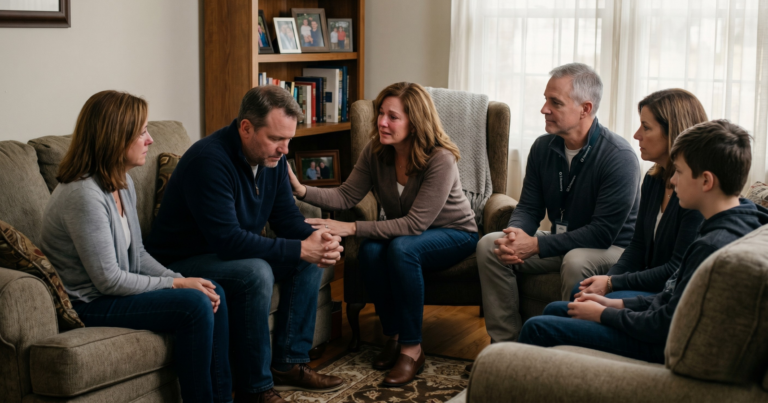
This is where the ARISE® model shines. In “Phase B,” the interventionist remains an advocate for the family. They facilitate monthly meetings to check in on the family healing and long-term recovery process. If the individual begins to show “dry drunk” behaviors or signs of an impending relapse, the interventionist can pivot the plan before a full-blown crisis occurs.
The “Chronic Disease” Management Model
We do not treat diabetes or asthma with a 28-day “boot camp” and then never speak of it again. We treat them as chronic conditions requiring lifelong management. Addiction is no different.
By framing recovery as a long-term recovery outcome rather than a short-term fix, we remove the “failure” stigma associated with setbacks. A slip becomes a “data point” in a long-term plan rather than a reason to give up.
The ROI of Long-Term Care
Families often worry about the cost of an extended continuum of care. However, the financial and emotional cost of “revolving door” treatment where a person goes to rehab five times in three years is significantly higher.
The ARISE® model’s success rate (83% treatment entry and high long-term sobriety) is attributed to the fact that it doesn’t let go of the family once the bags are packed. It stays in the foxhole with the family for the first six months of sobriety, which is the “high-risk” zone for relapse.
Setting the Stage for a New Life
If an intervention is the spark that starts the fire of recovery, the continuum of care is the fuel that keeps it burning. Families must demand more than just a referral to a facility; they must insist on a comprehensive, multi-phase plan that addresses the biological, social, and systemic realities of addiction.
Recovery is possible, but it is a marathon, not a sprint. By building a robust “Phase B,” you aren’t just getting your loved one sober for a month you are giving them the tools to stay sober for a lifetime.
Addiction recovery resources differ significantly by state. Licensing structures, sober living regulations, and clinical oversight vary widely. A qualified professional interventionist in California understands the nuances of coastal treatment networks and regulatory frameworks, while a skilled professional interventionist in Texas is equipped to navigate its distinct medical, legal, and family systems landscape. Geographic expertise ensures that “Phase B” planning is not generic it is strategically aligned with local recovery infrastructure.
Need Immediate Support?
Call us or send a message through our website. A better future can start with one courageous step.
Contact us or call (214) 927-2154 for a confidential consultation with Matt and Hannah Gibson’s team.
Book a Consultation
It’s easy and free!