The Evidence Is In: Families Make Recovery StrongerAddiction has long been viewed as an individual struggle. A person seeks treatment, goes to rehab, attends meetings, and learns coping skills. Families are told to “stay out of it” or “let them figure it out.” But research in the last few years is telling a different story …


The Evidence Is In: Families Make Recovery Stronger
Addiction has long been viewed as an individual struggle. A person seeks treatment, goes to rehab, attends meetings, and learns coping skills. Families are told to “stay out of it” or “let them figure it out.” But research in the last few years is telling a different story one that’s both hopeful and challenging.
A 2025 review in the Journal of Substance Abuse Treatment found that individuals with consistent family involvement were nearly 30% more likely to remain abstinent at 12 months compared to those without family engagement. Another meta-analysis published in Frontiers in Psychology reported that family-based interventions not only improved treatment retention but also reduced relapse rates across alcohol, opioid, and stimulant use disorders.
Why? Because recovery isn’t just about rewiring the brain or learning new behaviors it’s about repairing relationships, reshaping communication, and building support systems that last far beyond a 30-day program.
Families as Silent Stakeholders
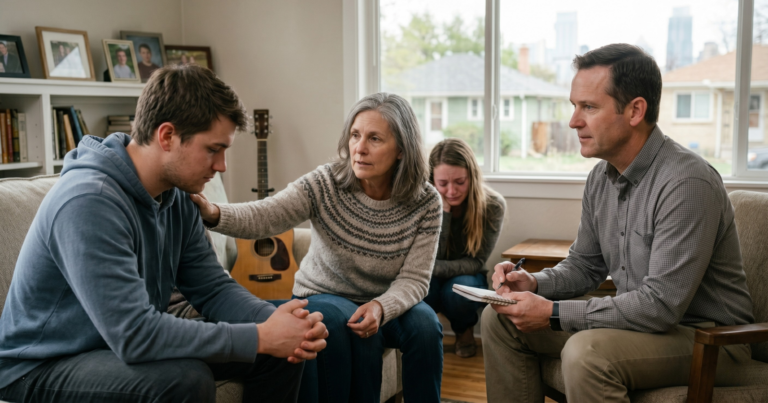
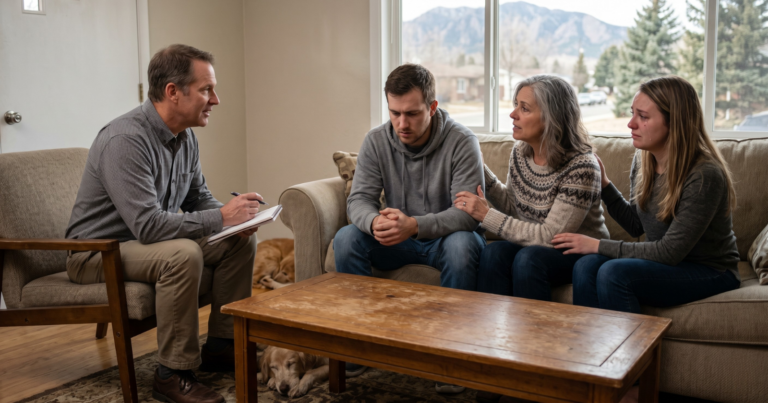
For every person with a substance use disorder, at least four or five family members are directly impacted. Parents lose sleep, siblings withdraw, spouses teeter between hope and exhaustion. Addiction is not an isolated disease—it’s a relational one.
And yet, too many treatment models still leave families at the margins. They’re asked to write letters, attend the occasional family weekend, or “detach with love,” but rarely given structured support, training, or a real seat at the table.
The result? Families become passive bystanders—or worse, unintentional enablers. They’re told not to interfere, but they’re also expected to pick up the pieces when relapse happens.
At G3 Recovery Interventions & Consulting, we see this gap every day. As our co-founder Matt Gibson puts it:
“Families don’t cause addiction, but they are part of the recovery story. When we leave them out, we miss half the healing.”
This is why working with an experienced interventionist in Austin TX can make such a difference guiding both the individual and their family through the process of change.
What Family Engagement Looks Like in Practice
At G3, family engagement isn’t a buzzword it’s a framework. Here’s what it means:
Education First
Families learn about addiction as a disease of the brain and relationships. This takes away blame and replaces it with understanding.Coaching on Communication
We train families to speak without shaming, to set boundaries without ultimatums, and to keep doors open even in conflict.Role Redefinition
Parents stop playing detective, spouses stop playing savior, siblings stop being forgotten. Everyone learns their new role in the recovery ecosystem.Ongoing Consulting
Family engagement doesn’t end when treatment begins. We stay involved with check-ins, relapse prevention planning, and long-term coaching.Healing the Whole System
Addiction thrives in secrecy and dysfunction. By bringing the entire family into recovery, we don’t just heal one person we shift the entire relational system.
Why This Matters: Beyond the 30-Day Window
One of the biggest blind spots in the addiction treatment industry is what happens after rehab. Relapse rates can be as high as 60% within the first year. Many programs graduate individuals back into the same strained family environment without giving relatives the skills to handle triggers, conflict, or setbacks.
Family engagement changes that. When families are prepared, relapse doesn’t have to mean starting from zero. It becomes a moment to recalibrate together.
This is why our consulting model doesn’t just prepare the individual for sobriety it prepares the entire family for recovery.
Practical Takeaways for Families Right Now
Even if your loved one isn’t ready for treatment, there are steps you can take today:
Educate yourself about addiction science. Understanding changes everything.
Practice boundary statements: “I love you too much to support this behavior.”
Create family agreements around communication, finances, and safety.
Seek your own support through counseling, Al-Anon, or coaching.
Remember: recovery is relational. Your healing matters as much as theirs.
Closing: Recovery Is a Family Story
The research is clear: when families engage, recovery outcomes improve. But beyond the data, the heart of this truth is simple healing happens in relationship.
At G3 Recovery Interventions & Consulting, we believe that families aren’t obstacles or bystanders; they are the missing piece of the recovery puzzle. With the right tools, guidance, and compassion, families can become the strongest allies in a loved one’s journey.
So if you’re a parent, sibling, or spouse watching someone you love struggle, don’t wait on the sidelines. Step in not with anger, but with informed action. Because recovery is not just about one person getting better. It’s about all of us, together.
Need Immediate Support?
Call us or send a message through our website. A better future can start with one courageous step.
Contact us or call (214) 927-2154 for a confidential consultation with Matt and Hannah Gibson’s team.
Areas we serve
Our Major Metro Areas
Book a Consultation
It’s easy and free!