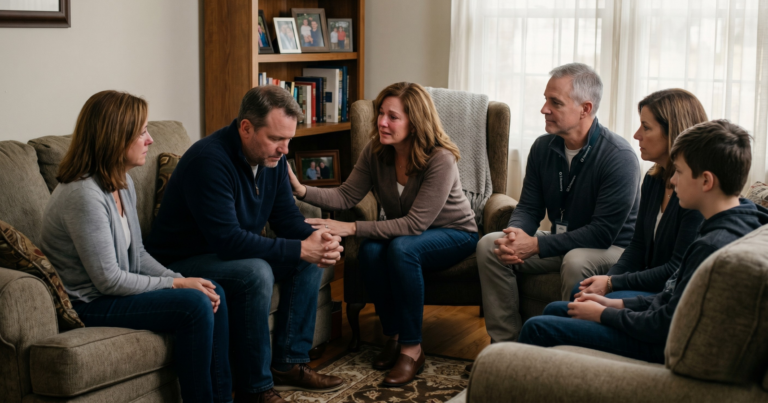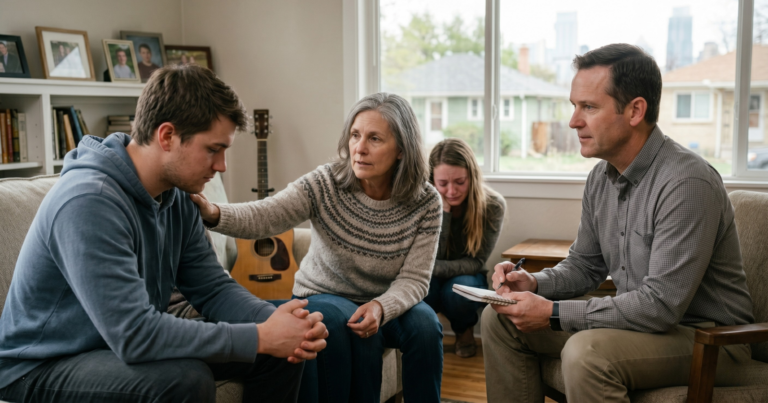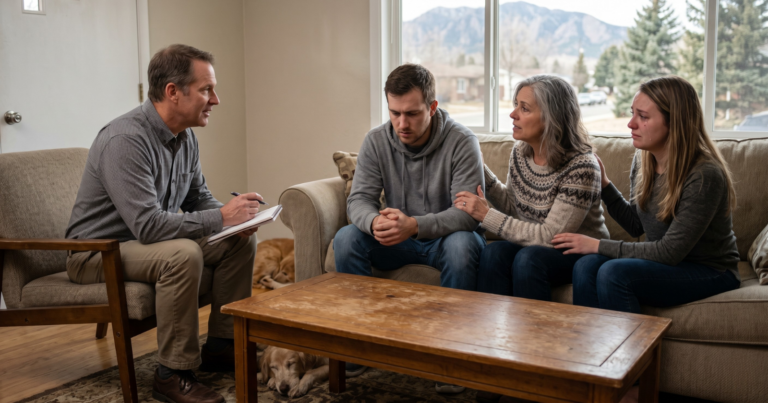
North Carolina stretches from the Atlantic Coast to the Smoky Mountains, and across that geography, families are dealing with addiction in communities that look very different from one another. Charlotte and the Piedmont metro, Raleigh-Durham and the Research Triangle, Asheville and the mountain region, Wilmington on the coast, each has its own culture, its own …

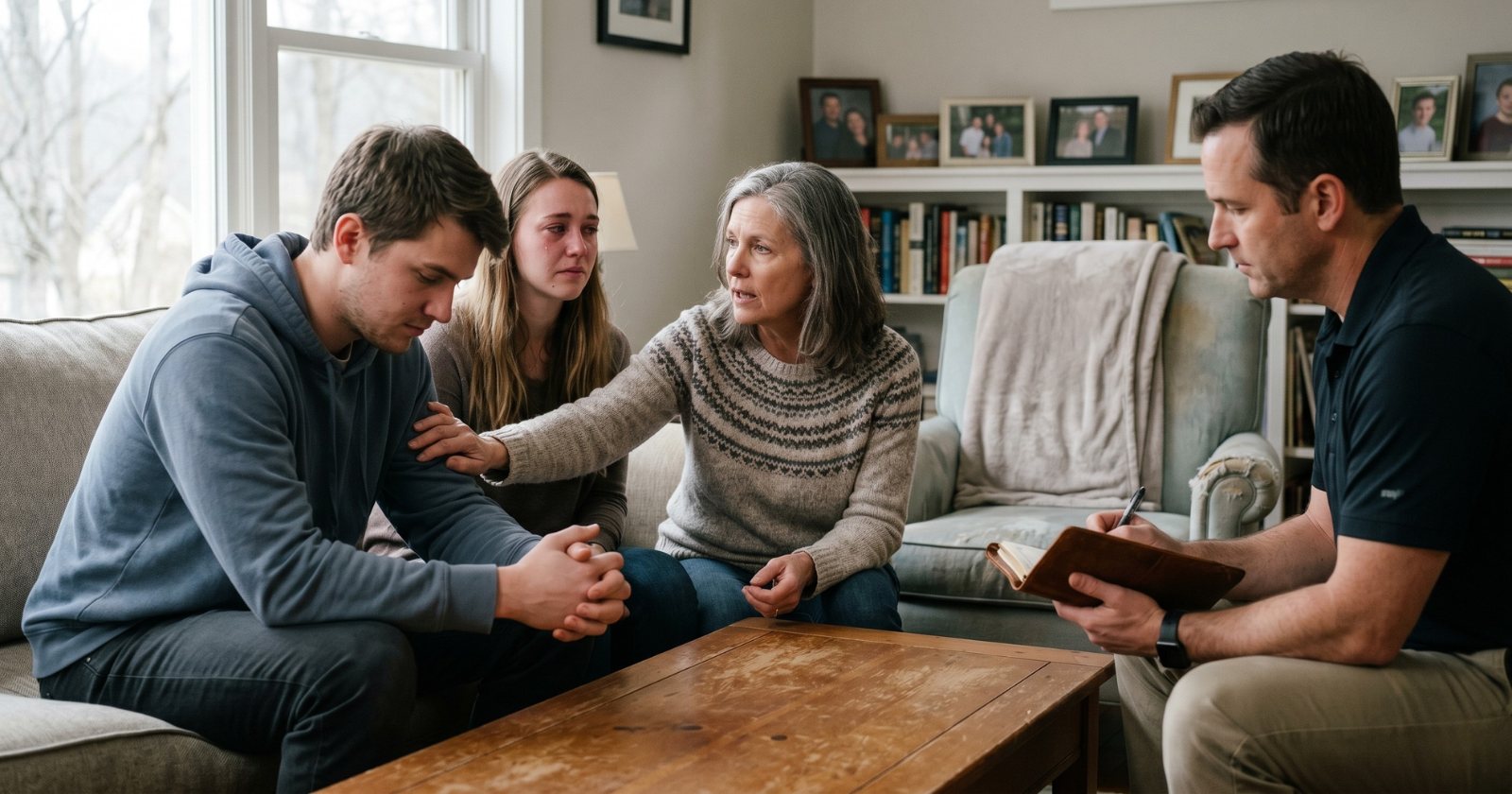
North Carolina stretches from the Atlantic Coast to the Smoky Mountains, and across that geography, families are dealing with addiction in communities that look very different from one another. Charlotte and the Piedmont metro, Raleigh-Durham and the Research Triangle, Asheville and the mountain region, Wilmington on the coast, each has its own culture, its own treatment infrastructure, and its own challenges. Our interventionists know the state and meet families where they are.
At G3 Recovery, we provide certified professional intervention services throughout North Carolina. We travel to your family, handle treatment coordination, and walk alongside you through the entire process. This is not a call center service; it is hands-on, experienced intervention work designed to give your loved one the best possible chance at entering treatment.
The North Carolina Addiction Crisis
North Carolina has experienced a sustained increase in drug overdose deaths driven primarily by fentanyl, which is now present in virtually every drug supply in the state. According to the North Carolina Department of Health and Human Services, synthetic opioids account for the overwhelming majority of overdose fatalities statewide. Rural counties in the western mountains and coastal plain have been particularly hard hit, with limited treatment access compounding the risk.
For families, this landscape means that the stakes of waiting are extremely high. Every day without professional intervention is a day of additional risk. Our team moves quickly once a family reaches out because speed matters.
Charlotte and the Piedmont Region
Charlotte is North Carolina’s largest city and has a growing and increasingly sophisticated addiction treatment ecosystem. We work with families in Charlotte and the surrounding Mecklenburg County area regularly, and we have established relationships with treatment providers that allow us to move quickly on placement.
Families dealing with drug intervention in Charlotte can also benefit from our cross-state connections. We work with families in neighboring South Carolina and Virginia and can coordinate treatment nationally when local options are not the right fit.
The Triangle: Raleigh, Durham, and Chapel Hill
The Research Triangle has a well-developed behavioral health infrastructure, but that does not mean families have an easy path to getting a loved one into treatment. Professional intervention remains essential even in areas with abundant treatment options because the challenge is not finding a program; it is getting your loved one to agree to go.
Our team works with Triangle-area families to design interventions that account for the specific dynamics of each situation. Whether the loved one is a college student, a professional, or someone who has been in and out of treatment before, we build an approach around what is most likely to reach them.
Asheville and Western North Carolina
Asheville sits at the heart of a region that has been deeply affected by the opioid crisis while simultaneously building one of the country’s more interesting recovery cultures. The recovery community in Asheville is active and well-organized, with significant sober living infrastructure and peer support resources.
Western North Carolina families dealing with addiction also have geographical proximity to Tennessee interventionists and their treatment options across the mountain corridor. Our team coordinates across state lines as needed.
What Families Can Expect From Our Process
Our process begins with a confidential consultation where we learn about your situation and begin assessing the right approach. From there, we move into family preparation coaching participants on what to say, how to respond to various reactions, and how to maintain the focus of the intervention when emotions are high.
We coordinate treatment placement in parallel, so that when the intervention happens, the next step is ready. Our full intervention services include an interventionist physically present with your family on the day, and follow-up support in the days and weeks after.
According to SAMHSA, professional intervention significantly improves treatment entry rates. Our experience confirms this. Families who engage our team see higher rates of loved ones agreeing to treatment than those who attempt intervention without professional support.
Reach Out Today
If you have a loved one in North Carolina who is struggling with addiction, our team is ready to help. The initial consultation is confidential, and there is no commitment required. We will give you an honest assessment of your situation, explain what intervention looks like in your context, and help you understand your options.
North Carolina families have trusted our team to help them through the hardest conversations of their lives. We take that trust seriously. Contact us today.
Book a Consultation
It’s easy and free!