QUICK SUMMARY Boston overdose deaths dropped 38% in 2024 — the lowest since 2015. But the drug supply is more unpredictable than ever and Massachusetts' death rate is still twice the national average. •1,596 statewide overdose deaths in 2024 — a 33% decline, the lowest figure since 2014 •Xylazine and fentanyl analogs now found in …

QUICK SUMMARY
Boston overdose deaths dropped 38% in 2024 — the lowest since 2015. But the drug supply is more unpredictable than ever and Massachusetts’ death rate is still twice the national average.
- •1,596 statewide overdose deaths in 2024 — a 33% decline, the lowest figure since 2014
- •Xylazine and fentanyl analogs now found in cocaine and counterfeit pills — naloxone alone is not enough
- •Black and Latinx residents are 40% of Boston’s population but 46% of overdose deaths
- •Proposed Medicaid cuts could cause ~1,000 additional overdose deaths annually in MA alone
- •Massachusetts expects nearly $1 billion in opioid settlement funds through 2039
- •Mass. and Cass crisis unresolved — the city shifted to “drug use first” policy in early 2026
- •75% of people with addiction eventually recover — early family intervention improves those odds significantly
After years of watching the numbers climb, after more than 20,000 lives lost in Massachusetts in the past decade, the state finally has something that resembles good news.
In 2024, drug overdose deaths in Massachusetts dropped to their lowest level in more than a decade. Statewide, 1,596 people died from fatal overdoses, a 33% decline from the year before and the lowest figure since 2014. In Boston specifically, the decline was even sharper: a 38% drop in opioid overdose deaths, the city’s lowest count since 2015.
For a city that has been fighting this crisis for two decades, those numbers mean something real. They represent people who made it. Parents who have reached another birthday. People who found treatment and stayed.
And yet the doctors, researchers, and advocates who have lived through every previous wave of false hope are refusing to celebrate. As Dr. Miriam Harris of Boston Medical Center put it: “This is a really meaningful reduction, but it’s not the time to take our hands off the steering wheel. Too many people are still dying and the unregulated drug supply is too dynamic to declare victory.”
She’s right. Because underneath the encouraging headlines, the situation in Massachusetts in 2026 is more complicated and more precarious than a single set of statistics can convey.
Two Decades of Crisis
The state’s overdose epidemic peaked in 2022, when 2,357 people died from opioid-related causes, the worst year on record. Even after the historic 2024 decline, Massachusetts’ opioid death rate remains more than twice the national average. This is not a state on the far edge of a crisis winding down. It is a state that has made real progress while still sitting at twice the national rate of death.
The economic toll is staggering, nearly $145 billion in 2024 alone, counting lost wages, healthcare costs, and law enforcement expenses. But that figure doesn’t capture what addiction costs families in grief, in fractured relationships, in children growing up without parents.
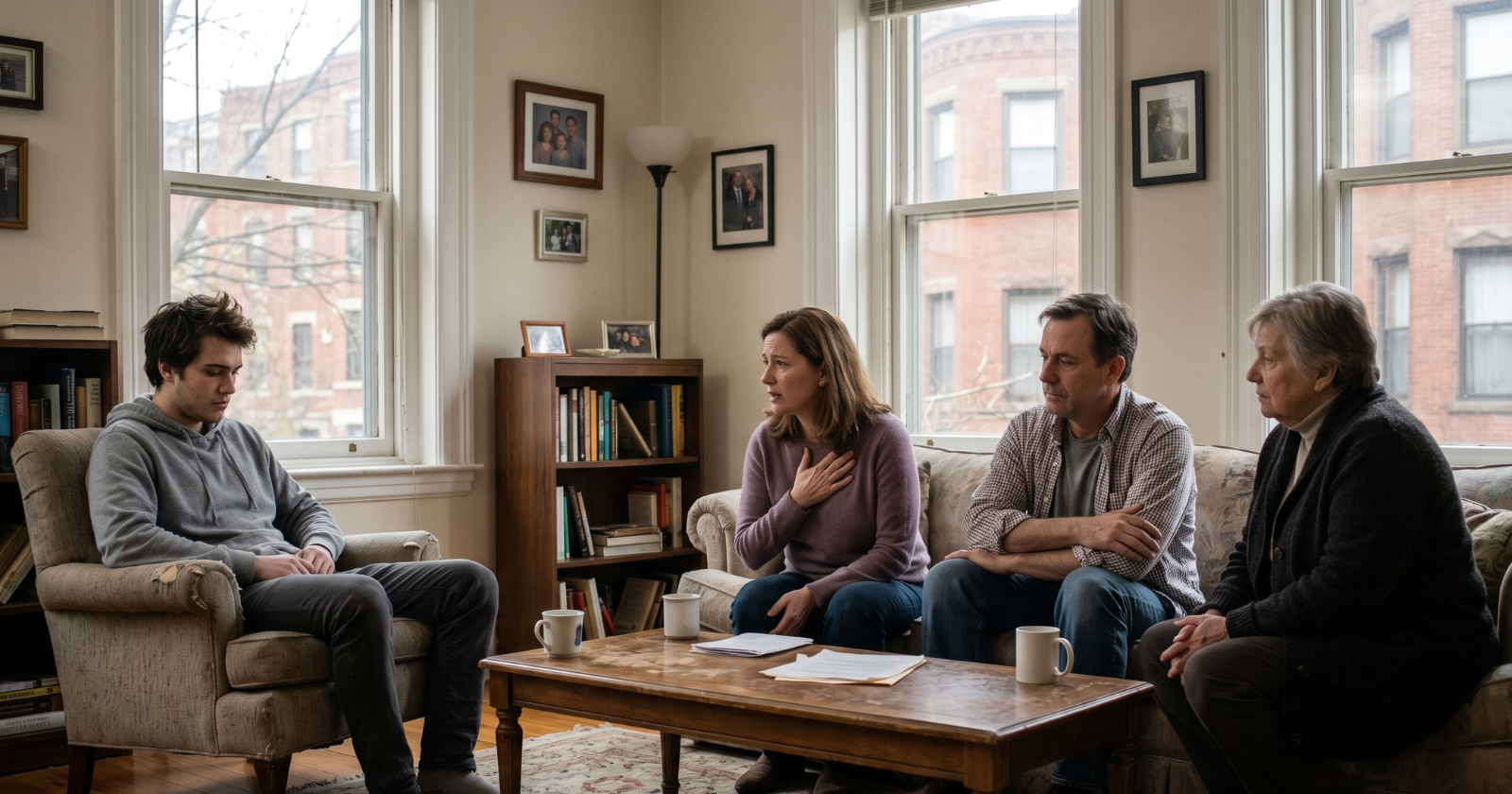
For families watching someone they love lose ground to addiction, acting early is almost always better than waiting. Professional intervention services in Boston exist precisely to help families bridge the gap between knowing something is wrong and knowing what to do, with structure, compassion, and the guidance of people who have been on both sides of this crisis.
The Drug Supply Is Still the Wild Card
Public health officials point to several overlapping factors behind the 2024 decline: wider naloxone distribution, expanded access to medications like buprenorphine and methadone, more harm reduction infrastructure, and possible shifts in the illicit drug supply. Fentanyl, the fast-acting synthetic opioid that has driven most overdose deaths in Massachusetts for years, is showing signs of weakening in parts of the supply chain.
But “weakening” doesn’t mean disappearing. The spaces left by fentanyl are being filled by a more unpredictable cocktail of substances. A counterfeit pill can now contain cocaine, fentanyl, and xylazine, a veterinary tranquilizer that prolongs overdoses and blunts the effectiveness of naloxone. No street drug can be safely assumed to contain only what it’s sold as. For families dealing with what appears to be a cocaine problem in Boston, the risk of fentanyl contamination in that supply makes the stakes considerably higher than they would have been even a few years ago.
A 2026 study published in the Journal of General Internal Medicine found that benzodiazepines, gabapentinoids, and other prescription depressants compound overdose risk significantly when combined with opioids, and that women, who are prescribed psychotherapeutic medications at higher rates than men, face particularly elevated vulnerability. Women’s experience of this crisis has been consistently underdiscussed, and this data demands more attention.
Mass. and Cass: Boston’s Unresolved Crisis
No single location captures the complexity of Boston’s addiction response quite like the intersection of Massachusetts Avenue and Melnea Cass Boulevard.
For years, the area functioned as an open-air drug market and informal encampment for hundreds of people living at the intersection of addiction, mental illness, and homelessness. The tents were cleared in fall 2023, but the crisis didn’t move with them. It scattered into surrounding neighborhoods, with residents reporting more people sleeping in public, increased break-ins, and needles in parks.
By early 2026, the city had shifted strategy again. Boston’s current approach prioritizes addressing drug use before providing other services, a departure from the prior model that led with housing and wraparound support regardless of whether someone was ready to stop using. City officials credit the new approach with reducing visible drug use and increasing treatment uptake. Critics, including addiction specialists and public health workers, warn that intensified police presence has made it harder for outreach workers to build the trust that gets people into care.
Melissa Baker, a Dorchester resident who four years ago was living in a tent at Mass. and Cass, credits a city outreach team with persuading her to enter detox and helping her find supportive housing. She’s also been clear-eyed about what that process truly requires: “It’s not enough just to send someone to detox. You have to be there for that person.”
That’s the lesson that extends well beyond Mass. and Cass. Getting someone into detox is the beginning, not the end. Recovery coaching provides the kind of sustained, individualized support that follows a person through the recovery process long after a single intervention or detox stay, because recovery rarely holds without an ongoing support system built around the individual.
The Racial Disparity Boston Cannot Ignore
Boston’s 38% decline in overdose deaths was not evenly distributed, and some of its most striking gains came in communities hit hardest by the epidemic. The Boston Public Health Commission reported a 59% drop in opioid mortality among Black men and a 52% drop among Latino men in 2024, a reflection of years of targeted investment finally bearing results.
But the progress doesn’t erase the underlying inequity. Black and Latinx residents account for 40% of Boston’s population yet made up 46% of all overdose deaths in 2024. Unintentional drug overdose remains the leading cause of early death in Boston, and it falls disproportionately on Black and Latino residents.
A 2025 study in the journal Addiction found that despite widening racial disparities in overdose deaths, there was no compensatory increase in naloxone distribution to Black and Hispanic communities, meaning the populations most likely to experience an overdose were among the least likely to have the medication that could reverse it.
Proposed federal Medicaid cuts add another layer of threat. Researchers from the University of Pennsylvania and Boston University estimated those cuts could strip roughly 156,000 Medicaid recipients of access to medications for opioid addiction, resulting in approximately 1,000 additional overdose deaths annually. Because Black and Hispanic Americans are overrepresented on Medicaid rolls, those cuts would fall hardest on communities already facing the greatest barriers to treatment.
For families in communities that have historically been underserved by institutional systems, family consulting can serve as a bridge, helping navigate what resources exist, who to call, and how to advocate for a loved one in a system that can feel indifferent to the people who need it most.
What the $1 Billion Settlement Means
Massachusetts expects to receive nearly $1 billion from opioid litigation settlements against pharmaceutical companies and distributors between 2021 and 2039, money won on behalf of communities devastated by the industry’s aggressive marketing of addictive painkillers. In March 2026, the Massachusetts Department of Public Health launched a public dashboard to track how those funds are being spent.
The state has spent $61 million in opioid recovery funds in its most recent fiscal year, including $13 million in grants to municipalities and community organizations for prevention, harm reduction, treatment, and recovery programs. That’s real money going to real programs, but the vast majority of the settlement funds are still arriving, and advocates are watching closely to ensure they reach the people they’re meant for.
The Massachusetts Opioid Recovery and Remediation Fund dashboard is publicly available for anyone who wants to track how settlement money is being spent in their community.
What Boston Families Need to Know in 2026
If you have a loved one struggling with addiction, a few things are worth understanding clearly.
The drug supply remains dangerous and unpredictable. Xylazine, fentanyl analogs, and other adulterants are increasingly appearing in substances users may not expect. Fentanyl test strips and naloxone are essential tools, and naloxone is freely available across the city. In 2024, Boston distributed over 23,000 doses through outreach programs, vending machines, and community grants. Families dealing with heroin use in Boston or fentanyl use in Boston need to understand that xylazine contamination has made the risk profile of these substances materially different from even two years ago.
Naloxone saves lives, but xylazine-mixed overdoses require continued rescue breathing and a 911 call even after it’s administered. Anyone who carries naloxone should know this.
Shame and silence remain the biggest obstacles. Many families wait too long before asking for outside help, caught between hope that things will improve and fear of what getting help might mean. That wait costs lives. A professional intervention in Boston built around compassion rather than confrontation gives families the best possible chance of opening a door their loved one will actually walk through.
When someone is finally ready, when that window opens, moving quickly matters. The hours between a decision to seek treatment and actually arriving at a program are among the most fragile in the entire process. Doubt creeps in. Fear takes over. Sober transport in Massachusetts ensures that the journey from willingness to treatment doesn’t unravel before it begins.
The Progress Is Real, and So Is the Risk of Losing It
The 2024 numbers are the best Massachusetts has seen since before the crisis peaked. That reflects years of work by outreach workers, doctors, harm reduction advocates, and the people in recovery who turned their own experience into a resource for others.
But 1,596 people still died in Massachusetts in 2024. Families are still waiting for the call they dread. People near Mass. and Cass are still without the housing and support they need to break the cycle. And a drug supply laced with xylazine and fentanyl analogs continues to circulate across every corner of the state.
According to the CDC and the National Institute on Drug Abuse, 75% of people who experience addiction eventually recover when they get the right support at the right time. Recovery is not a wish. It’s what happens for the majority of people who get the help they need.
If you’re watching someone you love struggle, don’t wait for the situation to resolve on its own. The drug supply will not get safer. The window of willingness will not stay open forever. Help is available, and it starts here.
Book a Consultation
It’s easy and free!