Distance makes addiction harder to address. When a family member is struggling with substance use in a city far from home or even across town in a sprawling metro area, many families feel paralyzed. They don't know where to start, who to call, or whether flying someone in to help will make things better or …


Distance makes addiction harder to address. When a family member is struggling with substance use in a city far from home or even across town in a sprawling metro area, many families feel paralyzed. They don’t know where to start, who to call, or whether flying someone in to help will make things better or worse.
At G3 Recovery, we’ve worked with families in exactly this situation countless times. The city doesn’t change the core of what we do, but it does shape the logistics, the resources, and the approach. Here’s what families need to understand when their loved one is in a major U.S. city and the situation has become serious enough to consider intervention.
Why Geography Matters in Intervention Planning
Intervention isn’t just a conversation. It’s a carefully orchestrated process that requires on-the-ground presence, knowledge of local treatment options, and the ability to coordinate transport and admission often within hours of the intervention itself.
When a loved one is in New York City, that means navigating a dense urban environment with hundreds of treatment options ranging from exceptional to predatory. When they’re in Atlanta, it means understanding the local recovery culture, the specific substances prevalent in that market, and which facilities have genuine aftercare support. When they’re in Houston or Dallas, it means being prepared for the sheer geographic scale of those cities and having a plan that accounts for traffic, logistics, and local contacts.
Our professional interventionists in Florida operate with this kind of local knowledge built in. The same is true for our team working across Georgia, Texas, and the Northeast. We don’t parachute in blind. We arrive prepared.
The Risks of Waiting When Someone Is in a High-Density Area
Cities can accelerate addiction in ways that smaller communities don’t. The supply of substances is more consistent. Social isolation is easier to maintain a person can disappear into a city of millions and genuinely go unseen for weeks or months. Access to enablers, whether that’s dealers, using friends, or even just the anonymity of urban life, is greater.
Families sometimes assume that because their loved one is in a city with “good hospitals” or “lots of resources,” the situation is somehow more manageable. In reality, abundance of options without guidance often means no action at all. A person in the grip of addiction doesn’t self-navigate to treatment. They need intervention.
Our team handling drug intervention in Atlanta sees this pattern regularly families who waited six months, a year, two years, because they assumed the city would provide some safety net. It rarely does without a family catalyst.
What a City-Based Intervention Actually Looks Like
When we’re called into a major metro area, the process follows the same evidence-based structure we use everywhere, adapted for the specific environment:
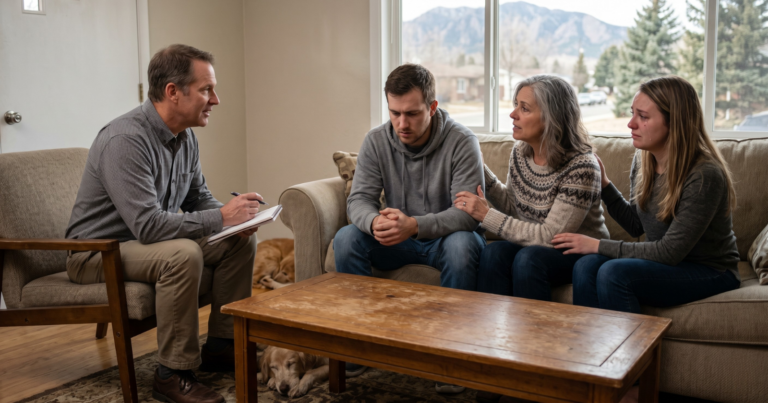
Pre-intervention assessment. Before we arrive, we spend time understanding the person’s living situation, their daily patterns, who they’re around, and what their relationship with the family looks like. In a city, this often means the loved one is living independently, possibly in an apartment with little family oversight.
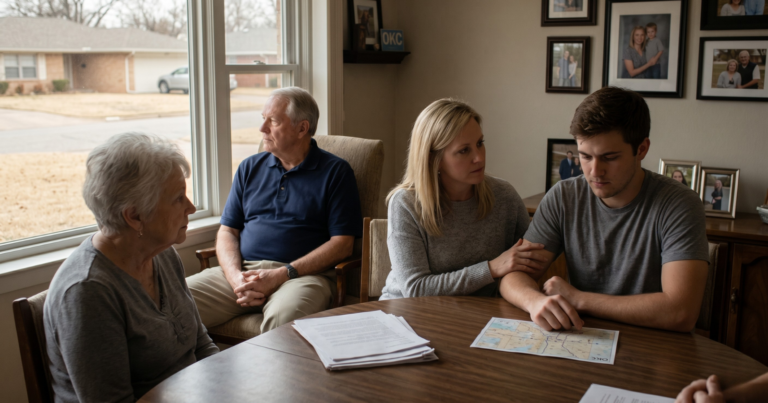
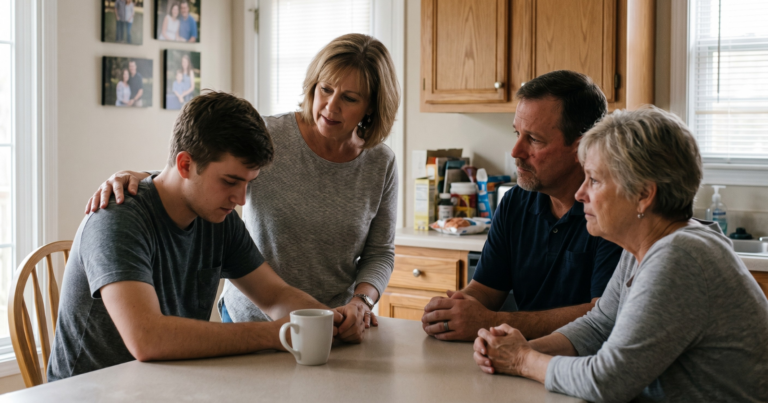
Family preparation. We work with family members, often coordinating across multiple time zones to prepare them emotionally and practically for the intervention. This includes scripting, boundary-setting, and making sure everyone is aligned on the outcome they’re seeking.
Logistics and timing. Urban interventions require precise timing. We coordinate with our transport partners so that if the person agrees to go to treatment, movement happens immediately. Delay kills momentum. For families whose loved one is in Miami dealing with alcohol dependency, for example, having a same-day flight or transport to a facility already arranged is the difference between a successful placement and a person walking out the door and going back to using.
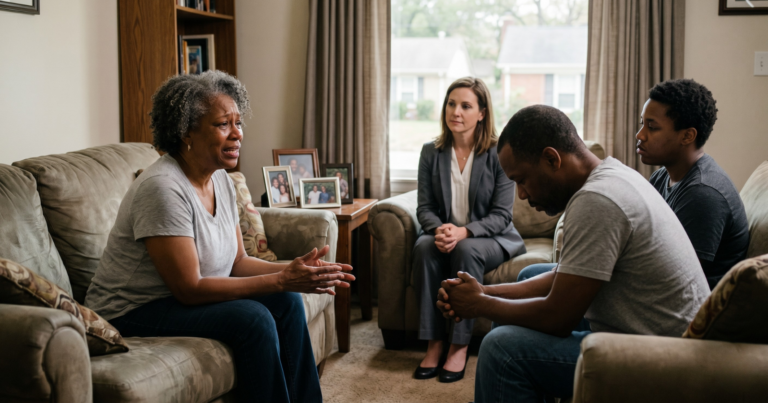
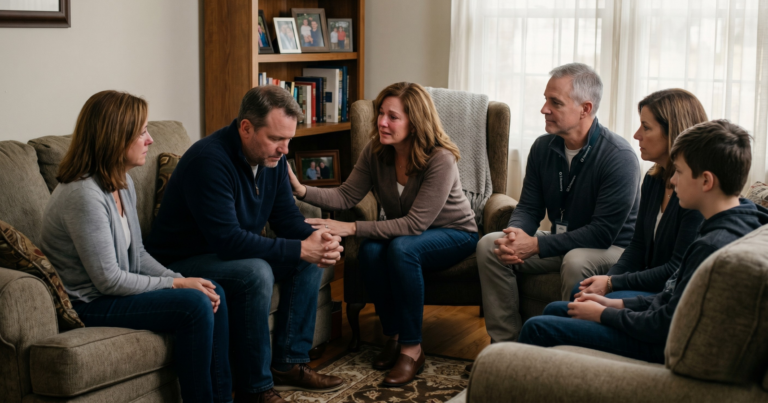
The intervention itself. This is not a confrontation. It’s a structured, compassionate conversation led by our interventionist, with family members reading prepared letters, and the overall tone focused on love, concern, and a clear ask.
Immediate transport if accepted. This is where our city-based logistics matter most. Whether the intervention is in New York or Houston, we have the relationships and the infrastructure to move quickly.
The Difference Between a City and a State
Families sometimes confuse city-level and state-level expertise. Knowing how to navigate Florida doesn’t automatically mean knowing Miami. Knowing Georgia doesn’t mean knowing Atlanta.
Our Georgia interventionists work both statewide and within Atlanta specifically, because the resources, facilities, and cultural context differ meaningfully between a suburb of Augusta and Midtown Atlanta. We build our assignments around that distinction.
The same logic applies when families are dealing with alcohol intervention in Dallas versus a rural town in West Texas. The core methodology is consistent. The local execution is tailored.
When to Call Us
If your loved one is in a major city and you’re seeing any of the following, it’s time to reach out:
- They’ve been unreachable or increasingly distant for weeks or months
- You’ve had conversations about getting help that went nowhere
- You’ve tried setting limits and they haven’t held
- You’re afraid of what happens if you don’t act, but equally afraid of what happens if you do
- You’ve already lost one chance at getting them into treatment and you’re not sure you’ll get another
These are the situations we were built for. The city they’re in doesn’t have to be a barrier it can actually work in our favor, because major metro areas typically have access to some of the best treatment facilities in the country. Our job is to bridge the gap between where your loved one is right now and the care they need.
We Travel. We Plan. We Show Up.
One of the most common things we hear from families after a successful intervention is that they didn’t realize help could come to them. They’d been thinking of intervention as something they needed to arrange a facility to research, a program to enroll in, a conversation to initiate. They didn’t realize that the right intervention specialist comes to your loved one, wherever they are.
That’s what we do. Whether the situation is in Florida, Georgia, New York, Atlanta, Miami, Houston, or Dallas, our team is available to travel, assess, and execute a plan built around your family’s specific circumstances.
If you’re at the point where you know something needs to change, call us. The city your loved one is in is not the obstacle. The only obstacle is waiting too long.
Book a Consultation
It’s easy and free!