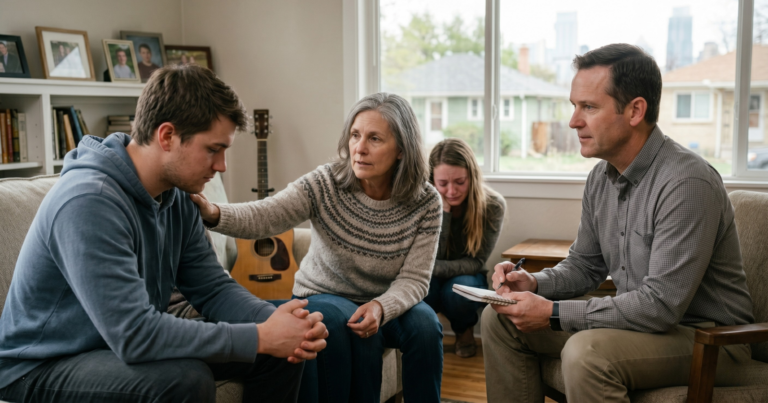
Certified professionals
Our team consists of highly trained interventionists, providing compassionate support specifically tailored to your family's unique drug-related challenges.
At G3 Recovery Services , we understand the immense challenges that drug addiction, in all its forms, brings to individuals and families. Our certified intervention specialists offer compassionate, personalized support, guiding your loved one toward essential healing and recovery from substance use disorder in the Dallas, TX area.
Drug addiction devastates lives. In the Dallas, TX area, our community faces unique struggles in confronting this powerful substance. Addressing drug use requires a timely, professional approach to break its destructive cycle. G3 Recovery specializes in providing this crucial lifeline, offering expert intervention to those struggling with drug use disorders. Our specialists offer the vital support needed to initiate the journey toward lasting healing and sustained sobriety.
For additional local and state resources regarding substance use support, we encourage you to visit the official government website for the Dallas, TX region.
Staying informed about recent drug‑use trends, public‑health interventions, and enforcement developments helps families understand the urgency and context behind interventions. Here are key recent developments in Dallas:
Expansion of Overdose Response Team across multiple Dallas‑area cities (2025)
As of October 2025, Dallas County Health and Human Services (DCHHS), in partnership with Recovery Resource Council (RRC), expanded its Overdose Response Team (ORT) to five additional North‑Texas cities, extending overdose follow‑up, naloxone distribution, and treatment referral beyond Dallas to include Irving, Richardson, Garland, Carrollton, and Farmers Branch. This underscores how widespread overdose risk and fentanyl‑related issues remain even outside central Dallas and how local authorities are broadening support infrastructure.
New county‑wide overdose prevention hotline now available (since 2024)
In late 2024, DCHHS and the North Texas Poison Center launched an Overdose Prevention Hotline at (214) 590‑4000, operating daily 7 a.m.–11 p.m. This hotline connects individuals and families with treatment referrals, harm‑reduction support, and information about local resources available in English and Spanish. This expanded accessibility reflects greater community commitment to saving lives, reducing stigma, and offering paths to help.
Persisting fentanyl crisis and overdose death surge in recent years
Despite prevention efforts, overdose‑death data remains concerning: a 2024 report showed a steep rise in overdose fatalities between 2019 and 2023, with synthetic‑opioid deaths (mainly fentanyl) accounting for nearly 80% of overdose deaths in 2023. This ongoing crisis highlights the critical need for early intervention particularly for families worried about concealed substance use or overdose risk.
New funding for local treatment providers via Texas opioid‑settlement grants (2025)
In January 2025, Dallas County Commissioners Court allocated approximately $4 million to local opioid and substance use treatment providers, expanding capacity for medication‑assisted treatment, detox, and recovery supports through providers such as Nexus Recovery Center, Homeward Bound, Youth 180, and Metrocare Services.
This means more beds, more outpatient options, and broader support for people seeking help a hopeful sign for families looking to intervene.
These developments from expanded overdose response and hotline access to new funding and continuing fentanyl risk illustrate why timely intervention matters now.
Recognizing when to seek help is critical. If you hold concerns about a loved one’s drug use in the Dallas, TX area, look for these escalating signs that often signal the urgent need for a professional intervention
Our comprehensive services address drug addiction complexities, supporting families throughout the Dallas, TX area during every phase of the recovery journey
Our structured process ensures expert guidance at every stage, meticulously tailored to the nuances of drug intervention in the Dallas, TX area
We begin with a discreet and confidential conversation to discuss your unique situation and specific concerns regarding your loved one’s drug addiction, assessing the history and impact of their substance use.
We provide comprehensive education on the dynamics of drug addiction, effective communication strategies, and equip your family with practical approaches to ensure a successful and supportive intervention.
Our specialists craft a personalized, compassionate, and strategic plan specifically designed to address your loved one’s drug use, emphasizing their unique needs and ensuring a seamless transition to appropriate treatment.
Our experienced specialists skillfully facilitate this pivotal conversation with your loved one, creating an environment conducive to breaking through denial and accepting immediate, life-changing help for their drug addiction.
We ensure a seamless transition for your loved one into an appropriate drug addiction treatment facility, which often includes medical detox and comprehensive therapeutic care, and provide ongoing aftercare guidance to support long-term sobriety.
Our unique RECLAIM method is the cornerstone of our unparalleled success, thoughtfully designed to bring families together and promote lasting recovery from addiction in the Dallas, TX area
Unites all those who genuinely care about your loved one, fostering a strong and unified support system for the intervention and beyond.
Personalized expert guidance from the initial intervention through comprehensive aftercare, specifically addressing the challenges of drug recovery.
Facilitates healing, rebuilding relationships, and restoring profound hope for a future free from the grip of drug addiction.

Navigating a drug intervention without professional assistance can be overwhelmingly challenging due to denial, emotional complexities, and the unpredictable nature of addiction. Here’s why G3 Recovery is the trusted choice for families in the Dallas, TX area:
Understanding the intervention process helps families feel prepared, calm, and supported. In Dallas, professional interventions follow a structured, compassionate approach aimed at helping your loved one accept treatment while reducing conflict, fear, and uncertainty.
Before intervention day, a specialist meets with the family to gather background: substance use history, triggers, mental‑health factors, and personal circumstances. This step includes:
Reviewing Dallas-specific drug trends, overdose risks (especially fentanyl), and local treatment resources.
Developing a tailored intervention plan with clear goals and a compassionate message.
Coaching family members on compassionate, non‑confrontational communication and setting healthy boundaries.
On the day of intervention, a trained interventionist leads the session helping family express concern, empathy, and care; deliver prepared statements; and manage emotional responses. The goal is to create a calm, safe environment where your loved one feels supported, not attacked.
Concrete, actionable next steps are key. During the intervention, professionals offer:
Detox and inpatient or outpatient treatment centers in Dallas County.
Medication‑assisted treatment (MAT), mental‑health support, therapy, and aftercare planning.
Harm‑reduction support including naloxone access and referrals to peer‑support or community programs.
It’s common for someone to resist or deny addiction. The interventionist helps families respond with compassion and clarity, avoiding blame, shame, or confrontation — emphasizing the offer of help, hope, and a chance for recovery.
If the loved one agrees, the specialist arranges transport to a treatment facility, schedules detox or therapy, and connects them with local programs. If they decline, the family still receives guidance: setting healthy boundaries, using harm‑reduction tools, and keeping channels open for future readiness.
Recovery doesn’t end at treatment entry. Families are guided to:
Participate in family therapy or counseling when appropriate.
Use relapse‑prevention strategies.
Engage with local support networks, peer groups, and community resources.
Maintain healthy communication and boundaries to support long‑term healing.
Here are trusted, local organizations and services that families and individuals in Dallas can turn to for help, treatment, and harm‑reduction support:
Dallas County Health & Human Services – Alcohol & Substance Use Division Offers the county‑wide overdose prevention hotline (214‑590‑4000), referrals to treatment, and harm‑reduction guidance.
Recovery Resource Council (RRC)
Works with the county to operate the Overdose Response Team (ORT), offering overdose follow‑up, naloxone distribution, peer support, and connection to treatment.
Dallas Area Drug Prevention Partnership (DADPP)
Community‑based network focused on prevention, outreach, youth support programs, and connecting families to resources.
Dallas Area Drug Prevention Partnership
Metrocare Services
A local behavioral health provider offering substance‑use treatment, mental health care, and ongoing recovery services across Dallas County.
Nexus Recovery Center Provides treatment services, including medication‑assisted therapy (MAT) and outpatient care, especially after recent county funding expansion.
Dallas County Substance Abuse Treatment Hotline (888‑626‑0075)
24/7 confidential helpline offering assessment referrals, guidance, and help navigating treatment and rehab centers in the Dallas area.

Families throughout the Dallas, TX area choose G3 Recovery for our unwavering commitment to compassionate, professional drug intervention services. Our distinguished team combines extensive experience, specialized knowledge in various substance use disorders, and a deep dedication to your loved one’s recovery journey. We offer a personalized approach, ensuring every step is handled with the utmost care, dignity, and respect, especially given the sensitive and often urgent nature of confronting drug addiction.
Our team consists of highly trained interventionists, providing compassionate support specifically tailored to your family's unique drug-related challenges.
Customized strategies for unique family dynamics and the individual's specific history with drug use, addressing underlying factors contributing to addiction.
In-home and remote services available throughout the Dallas, TX region.
We Continuous guidance before, during, and after, ensuring your family never feels alone in this critical process.
Our Trauma-informed approach profoundly respecting family values and personal experiences, recognizing the diverse impacts of addiction.
We focuson long-term recovery outcomes and stronger family bonds, essential for overcoming drug addiction.
If your loved one is facing the profound challenges of drug addiction in the Dallas, TX area, we are here to provide immediate and effective assistance. Contact G3 Recovery today to begin their crucial journey to wellness.
Use this simple form to contact us and we’ll call you right back.
Everything Families Need to Know About Professional Interventions for Drug Addiction
A drug intervention is a structured, professionally guided effort where loved ones express care, concern, and support offering concrete treatment options and encouraging acceptance in a safe, empathetic setting. In Dallas, such interventions help overcome barriers of fear, denial, and lack of knowledge, connecting people to harm reduction and treatment resources immediately.
If substance use is harming their health, relationships, work, finances, or safety especially with increased fentanyl and overdose risk county‑wide or if you notice escalating use, isolation, or risky behavior, an intervention professional can help assess readiness and recommend next steps.
Dallas offers a broad spectrum: medically supervised detox, inpatient and outpatient treatment, medication‑assisted treatment (MAT), mental health therapy, counseling, aftercare planning, peer support, and community recovery programs tailored to different needs and readiness levels.
Even if they decline, intervention professionals help families set healthy boundaries, explore harm‑reduction resources (like naloxone), and stay prepared. They also keep communication lines open offering the possibility of re‑engagement when readiness changes.
Yes. Through local programs and community partners, people can access naloxone (Narcan), overdose education, peer support, outreach services, and referrals reducing immediate risk while building trust and readiness for treatment.
Families are encouraged to participate in counseling or therapy, maintain consistent support without enabling substance use, engage in aftercare and relapse‑prevention planning, and connect with peer‑support networks fostering healing for both the loved one and the family.
Don’t allow drug addiction to control another day of your loved one’s life. Reach out to G3 Recovery today for a free, confidential consultation. It’s the vital first step toward helping your loved one reclaim their future and embark on a path of lasting recovery.